Why unintegrated systems are bleeding Tanzania’s forest revenue

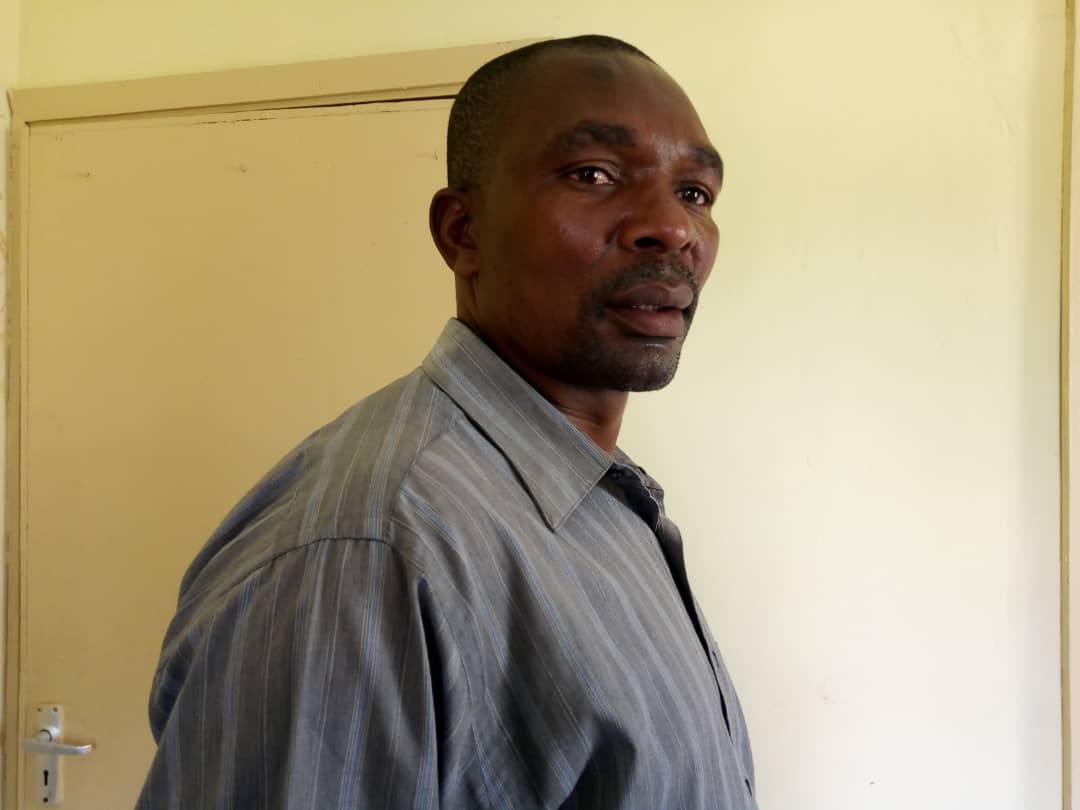
Assistant Director of Forest Development in the Ministry of Natural Resources and Tourism, Mr Seleboni John, speaks on Saturday, August 22, 2026. PHOTO | HABEL CHIDAWALI

Dodoma. Unintegrated systems have been cited as one of the reasons forest resources are lost without accurate information, depriving the government of much-needed revenue.

The remarks were made on Saturday, August 22, 2026, by the Assistant Director of Forest Development in the Ministry of Natural Resources and Tourism, Mr Seleboni John, during a workshop organised by the Food and Agriculture Organisation (FAO) to develop a strategy for integrating and harmonising existing systems.

The workshop brought together officials from forestry departments, councils, the Ministry of Finance and information technology experts, who agreed on the need to build an integrated system after identifying gaps in the existing arrangements.

Mr John said substantial revenue had been lost from forests because information systems were not integrated, adding that the matter could no longer be ignored.

“We want to reach a joint decision that all forestry systems must be connected, from the central government through TFS, district councils and village governments to private operators. The goal is to ensure we control revenue,” he said.

The forestry expert said the system being developed would bring significant benefits by helping authorities identify where problems exist and where government revenue has been leaking.

He said linking government systems would increase the rate of revenue collection and forests’ contribution to national revenue, while significantly reducing the destruction of forest products compared with the current situation.

The FAO project coordinator, Mr Diomedes Kalisa, said the meeting of the Technical Working Group (TWG) was organised to discuss the integration and harmonisation of revenue management systems derived from forest products, which have been affected by widespread leakages.

“I am pleased to welcome you to this important meeting of the Technical Working Group regarding the integration and harmonisation of revenue management systems derived from forest products. For a long time, we have been losing revenue, but we decided to rethink our approach,” he said.

Mr Kalisa said the strategy was being developed in collaboration with the European Union (EU), which provided funds to implement the plan.

He said FAO and its stakeholders were supporting efforts to strengthen forest governance, promote the sustainable management of forest resources and advance sustainable clean cooking energy solutions.

He said the meeting followed technical discussions held in Morogoro in July, during which stakeholders explored ways to strengthen and harmonise revenue management systems derived from forest products and value chains related to clean cooking energy.

According to Mr Kalisa, one key resolution of the meeting was that there was no need to develop a new standalone system.

Instead, stakeholders agreed that it was more important to strengthen, harmonise and connect existing government systems.