Nature-first enterprise could become Tanzania’s next investable growth story
By Dorothy Maseke
Tanzania’s growth ambitions depend heavily on the health of its natural systems. Agriculture, rural livelihoods, water security, tourism and export competitiveness all rely on functioning soil, water and ecosystems. Yet nature is still too often treated as separate from economic development, rather than the infrastructure that makes development possible.
The idea that Tanzania must choose between development and nature is false. Development-first is nature-first.
The country’s economy is deeply tied to natural capital. Agriculture alone employs roughly two-thirds of the workforce and contributes around a quarter of GDP. According to the Ministry of Agriculture, agricultural export earnings reached $3.54 billion in 2023/24. Behind those figures sits an enormous dependence on healthy land, reliable rainfall, water systems and productive ecosystems.
This is why nature should be understood as economic infrastructure, not simply an environmental concern. When soils degrade, productivity falls. When water systems come under stress, farming, processing and transport become more expensive and less reliable. The effects are felt across entire value chains, from smallholder farmers and rural communities to processors, exporters and buyers.
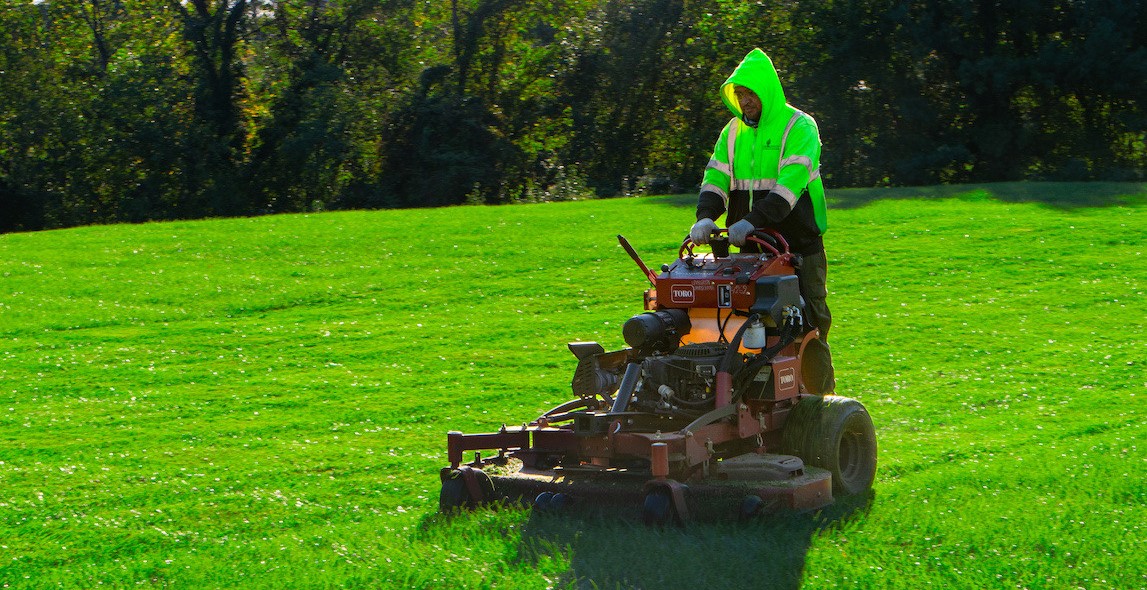
This is already visible in some of Tanzania’s most important agricultural industries. Coffee and horticulture, for example, depend heavily on soil health, water stewardship and stable growing conditions. When those systems weaken, yields suffer and supply chains become more vulnerable. But when farmers and businesses invest in more resilient production practices, the benefits are economic as well as environmental: stronger productivity, more reliable supply and better long-term competitiveness.
Tanzania also has an opportunity to avoid some of the costly mistakes made elsewhere. Many advanced economies built growth models that treated natural systems as unlimited resources. They are now spending heavily to restore degraded land, polluted water systems and damaged ecosystems. Tanzania is not locked into that path. It has the chance to build growth in a way that protects the natural systems its economy already depends on.
The challenge is that finance has not fully caught up with this reality. Globally, large amounts of capital still flow into activities that degrade forests, soils and water systems, while many “nature-first” businesses, which are working to protect and restore nature, struggle to attract investment. Part of the problem is perception. Nature-first enterprises are often seen as too risky, too difficult to measure or too slow to generate returns.
Yet the risks of ignoring nature are becoming harder to ignore. Businesses are already seeing the effects of declining soil quality, water stress and supply disruptions. Investors are beginning to recognise that natural systems affect productivity, resilience and long-term commercial performance just as much as roads, power or logistics do.
Many promising businesses remain stuck in the “missing middle”: too advanced for early grant funding, but not yet structured in ways commercial investors understand. The issue is often not a lack of potential, but a lack of proof points, financial support and investment models that connect environmental resilience to commercial value.
That is part of what we will be testing with the launch of the Nature-First Innovation Lab (NFIL) - a new accelerator programme designed to help projects that have already moved beyond concept or feasibility stage to become investable, scalable businesses through a tailored package of capital and hands-on support. The pilot is inviting applications from enterprises in Tanzania which have embedded regenerative practices into agricultural, blue (ocean and coastal) economy and broader natural resource supply chains. This includes, for example, regenerative agriculture projects, seaweed and aquaculture businesses, sustainable forestry, and other nature-first production systems that generate both commercial returns and measurable environmental benefits. The ultimate aim is to demonstrate how nature-first business models can support both commercial returns and long-term resilience.
This matters because the conversation about nature should not sit outside Tanzania’s economic agenda. Agriculture that depletes soil weakens food security and future productivity. Supply chains that ignore water and biodiversity risks become less resilient over time. Businesses that improve land, strengthen productivity and support rural livelihoods should not remain invisible to finance simply because markets have not yet developed the right ways to assess them.
Putting nature on the balance sheet means recognising that healthy ecosystems support jobs, exports, productivity and economic stability. Tanzania has an opportunity to help prove that nature-first enterprise is not anti-growth, but part of building growth that lasts.
Dorothy Maseke is Head of African Natural Capital Alliance (ANCA) Secretariat and Lead, Nature Finance and TNFD at FSD Africa