For decades, Africa has been promoted to the world primarily through its extraordinary wildlife, spectacular landscapes, and natural wonders.
The continent’s iconic safaris, pristine beaches, majestic mountains, and national parks have deservedly attracted millions of visitors.
But one thing is clear: Africa’s greatest competitive advantages are yet to be globally positioned. It’s rich, diverse, and living cultural heritage uniqueness remains significantly under-represented in global tourism narratives.
As the global tourism industry increasingly shifts towards authentic, immersive, and experience-driven travel, the moment has arrived for Africa to reposition itself by placing its cultures at the centre of its tourism development agenda.
This is no longer simply a cultural aspiration; it is a strategic economic imperative capable of generating inclusive growth, creating employment, preserving heritage, and strengthening Africa’s global identity.
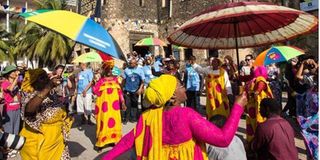
Today’s international travellers are seeking meaningful experiences that connect them with local communities, traditions, music, gastronomy, festivals, storytelling, craftsmanship, and indigenous knowledge.
Africa possesses these assets in extraordinary abundance. With over 3,000 ethnic communities, more than 2,700 languages, countless traditional art forms, ancient kingdoms, sacred landscapes, and vibrant contemporary cultural expressions, Africa offers one of the world’s richest cultural tourism portfolios.
The economic case is compelling. According to the UN World Tourism Organization, cultural tourism represents one of the fastest-growing segments of global tourism (40%-60% of global tourism), with visitors increasingly prioritising authentic cultural experiences when choosing destinations.
Countries that successfully integrate culture into tourism strategies consistently generate higher visitor spending, longer stays, and stronger local economic participation.
Asia provides valuable lessons. Japan transformed centuries-old traditions (including tea ceremonies, kimono culture, craftsmanship, temples, gardens, and seasonal festivals) into globally recognised tourism experiences.
South Korea successfully combined its traditional heritage with modern creative industries, giving rise to the Korean Wave, where culture became a powerful driver of tourism, exports, education, and international influence.
Thailand continues to attract millions through the seamless integration of cuisine, festivals, wellness traditions, handicrafts, and hospitality into its tourism identity.
These examples demonstrate that culture is heritage to be preserved and it is an economic asset to be strategically developed.
Africa can achieve similar success by investing in what I may term as the ‘African Cultural Economy.’ Among Africa’s most influential cultural ecosystems stands the Swahili Cultural Economy.
Stretching along the East African coast from Somalia through Kenya and Tanzania to Mozambique and the islands of Zanzibar and the Comoros, Swahili civilisation represents one of the world’s oldest and most enduring maritime cultures.
The Swahili world embodies centuries of cultural exchange, commerce, architecture, language, literature, cuisine, music, fashion, craftsmanship, and oceanic heritage.
Kiswahili itself has evolved into one of Africa’s most widely spoken languages and now enjoys growing international recognition as a language of diplomacy, education, and regional integration.
The Swahili Cultural Economy has enormous untapped tourism potential. Fashion weeks, culinary festivals, literary events, dhow festivals, music celebrations, heritage cities, museums, creative industries, and cultural exchange programmes could collectively establish the Swahili Coast as one of the world’s premier cultural tourism destinations.
Equally significant is the opportunity presented by the River Zambezi Cultural Economy. Flowing through more than six countries (Zambia, Angola, Namibia, Botswana, Zimbabwe, and Mozambique) the River Zambezi is more than a geographical landmark.
It is a living cultural corridor that has sustained civilisations, trade, spirituality, migration, agriculture, music, oral traditions, ceremonies, and indigenous knowledge systems for centuries.
Rather than promoting these cultural assets independently, the SADC region has an opportunity to develop an integrated River Zambezi Cultural Tourism Corridor, a cross-border or transboundary initiative linking heritage sites, cultural festivals, creative industries, museums, traditional cuisine, community tourism enterprises, arts markets, river cruises, storytelling experiences, and educational exchanges.
Several African countries have already demonstrated the transformative potential of cultural tourism. Rwanda has successfully positioned cultural experiences alongside conservation tourism.
Morocco continues to attract global visitors through its medinas, architecture, cuisine, crafts, and festivals. Ghana’s “Year of Return” campaign powerfully connected the African diaspora with heritage tourism, generating significant international attention, visitor arrivals, and investment.
These successes illustrate that culture can become a strategic pillar of national branding and economic development when supported by visionary leadership, coordinated investment, and sustained international promotion. Zambia is uniquely positioned to lead the River Zambezi Cultural Conservation Campaign. However, this will require regional and continental collaboration.
Eastern and Southern Africa should work collectively with Umoja Conservation Trust to establish and promote the Global River Zambezi Cultural Tourism Program under the framework of regional cooperation.
Governments, tourism boards, cultural institutions, conservation agencies, universities, private sectors, development partners, creative industries, traditional leaders, and local communities should unite around a shared vision that positions the mighty River Zambezi as one of the world’s great cultural destinations.
This initiative is designed to include annual international cultural festivals, cross-border tourism circuits, digital storytelling platforms, heritage conservation programmes, youth cultural entrepreneurship initiatives, creative economy investment forums, academic research partnerships, and coordinated international marketing campaigns targeting global tourism markets.
The time has come to reposition Africa from being known solely for its wildlife and landscapes to being celebrated equally for its people, cultures, creativity, and living heritage.
The global tourism conversation is evolving. Africa must not simply participate in that conversation; it must lead it by placing its unique cultural heritage at the very heart of the world’s tourism story.