Over 500,000 farmers to benefit from subsidised inputs in 2026/27 cashew season
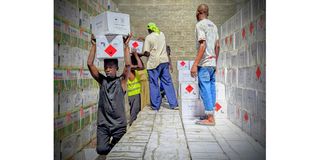
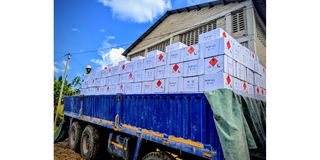
Warehouse workers load pesticides in lorries for distribution to farmers across designated cashewnut growing regions for the application in the 2026/27 agricultural season. PHOTO|SALMA MKALIBALA
Mtwara. A total of 549,936 cashew farmers from Mtwara, Lindi, Ruvuma, Coast, and Tanga regions are expected to benefit from subsidised inputs provided free of charge by the government for the 2026/27 cashew season.
The inputs include 51,000 tonnes of sulphur powder and six million litres of liquid pesticides, a move aimed at increasing productivity, raising output, and boosting farmers’ incomes.
Data from the Cashewnut Board of Tanzania (CBT) shows that beneficiaries of the programme include 335,543 farmers from Mtwara Region, 127,260 from Lindi, 57,041 from Ruvuma, 26,800 from Coast, and 3,292 from Tanga.
The inputs will be applied on farms covering 4.56 million acres and 137 million cashew trees across the five regions.
Details of the programme for the 2026/27 season were shared on Monday, April 27, 2026, in Mtwara by CBT Agricultural Planning Manager, Mr Juma Yusuph, during the launch of the input distribution exercise.
He said all preparations have been completed, noting that robust systems have been put in place to ensure inputs reach beneficiaries on time and transparently.
“Today, we officially begin distributing inputs for controlling diseases and pests of cashew trees from central warehouses under the Joint Project of Cashew Cooperative Unions to Agricultural Marketing Cooperative Society (AMCOS) so that they can distribute them to farmers free of charge,” he said.
He explained that the inputs will be distributed through the Digital System for Distribution of Subsidised Inputs to Farmers (FIS) to enhance transparency and efficiency in the exercise.
CBT has emphasised that the distribution of inputs for the 2026/27 season is being conducted in line with guidance from agricultural experts.
“This season, we have begun distributing liquid pesticides due to the challenge of destructive pests on cashew trees, particularly the cashew mosquito bug. If these pests are not controlled early, they cause damage to cashew trees,” said Mr Yusuph.
In addition, the Board has warned Amcos against engaging in the distribution of inputs without the presence of experts stationed in the respective areas.
The Joint Project of Cashew Cooperative Unions (KCJE) Acting Manager, Mr Mabrouk Mpangule, said the procurement process for the inputs will consider farmers’ actual needs together with the agricultural season timetable.
Regarding cashews packaging materials, he said 4.8 million bags are already available for the 2026/27 season, noting that more than three million additional bags are expected to be procured soon to reach over seven million bags required this season.
“We are well prepared, and all necessary preparations have been completed regarding pesticides and packaging materials. Cooperative unions have already begun collecting pesticides available in our warehouses for distribution to cashew farmers,” he said.
Some farmers in Tandahimba District have expressed high expectations following the start of distribution of the subsidised inputs.
Ms Fatuma Rashid said the move will help reduce production costs and enable them to treat cashew trees on time, something that will help increase harvests this season.
“For a long time, we have been facing high costs of inputs; this support will continue giving us great relief and hope of obtaining better harvests,” said Ms Rashid.
Similarly, Mr Juma Maulid said the availability of liquid pesticides will help control cashew mosquito pests that have been causing losses to many farmers.
“In previous years, pests destroyed our crops and set us back economically. Receiving pesticides on time will help us,” said Mr Maulid.