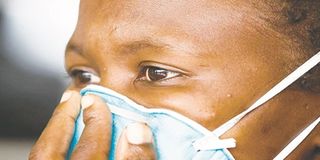
If you’ve been diagnosed with TB, it is advised to wear a mask when you’re around other people. PHOTOS | FILE
What you need to know:
Most people tend to consider TB as a disease that exclusively affects the lungs—but that’s not the case. TB can affect various parts of the body. Ever heard of TB of the Spine? What about TB of the Intestines? However, it is mainly the lungs that are affected.
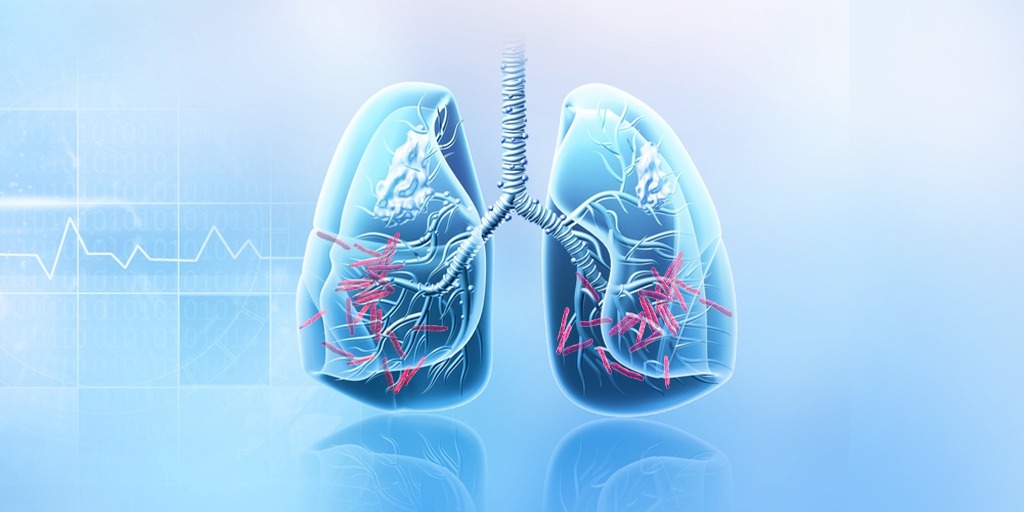
There are strong reasons as to why the public must be reminded about the threat of Tuberculosis (TB) from time to time. The impact of the disease on society is still huge, yet TB is preventable and curable. Statistics from World Health Organisation show that TB accounts for the death of 3 people every minute. It’s the world’s leading infectious disease killer. In 2014, TB accounted for over 60,000 cases in Tanzania. It’s a bacterial disease—caused by the Mycobacterium Tuberculosis that are spread through air. A person generally gets TB by inhaling the tiny droplets from the cough or sneeze of an infected person. Most people tend to consider TB as a disease that exclusively affects the lungs—but that’s not the case. TB can affect various parts of the body. Ever heard of TB of the Spine? What about TB of the Intestines? However, it is mainly the lungs that are affected. A person may harbor the bacteria without actually suffering from the disease. Active TB is when a person is infected by the Tuberculosis bacteria and shows symptoms. When the bacteria don’t cause symptoms, we simply say that the patient is in latent phase. Latent TB may change to Active TB at a later stage. In healthy people, the bacteria are killed by the body’s own immune system. However, the following groups of people have an increased risk of developing TB, such as injecting drug users, people in contact with infected individuals, health care workers who treat people with a high risk of TB, alcohol abusers and tobacco smokers. Others at risk are people with weakened immune system including; Infants, HIV/AIDS patients, severe kidney failure patients and cancer patients on chemotherapy.
Symptoms A person who catches TB may complain of fever, fatigue, loss of appetite, chills and night sweats. The most marked symptoms are prolonged coughing or coughing blood. If you’ve recently been diagnosed with TB, you may be contagious for up to 3 weeks into your treatment. You will need to take the following precautions to avoid spreading it to those around you: • Wear a mask when you’re around other people. • Stay home – do not go to work or school for the first few weeks. • Ventilate the room you spend most of your time in. Avoid sleeping in the same room as others. • Cover your mouth using a tissue when sneezing or coughing, seal it properly and dispose of it immediately. • Finish your entire course of medication and get children vaccinated with the BCG vaccine.
Complications If left untreated, TB can cause numerous complications, such as: • Joint Damage; Tuberculous arthritis affects the joints especially the hips and knees. • Tuberculosis of the Meninges; This causes the swelling of membranes covering the brain. • Heart disorders; In certain cases, TB can infect the myocardial tissues and cause inflammation which can alter the pumping of the heart. • TB can also impair the function of the liver and kidney. • Spinal pain; Back pain and stiffness are among the common problems associated with TB.
Doctors will recommend Anti-Tuberculosis medications, however, unlike other types of bacterial infection treating TB takes long. It generally takes 6 to 9 months and the drugs and length of treatment needed depends on age, drug resistance and location of the infection. TB medications are generally administered using directly observed therapy (DOT) system – this is when a health professional observes the patient taking the medication. It is done to ensure compliance. People who are at high risk of developing TB are advised to attend screening for early detection.