‘The Richest Man in Babylon’ by George S. Clason: Pay yourself first

What you need to know:

  • This classic was written in the 1920s by George Clason. That it still speaks to present-day anxieties about money is both its strength and its limitation, as the book assumes certain conditions about work, stability, and choice that do not apply equally to everyone today.
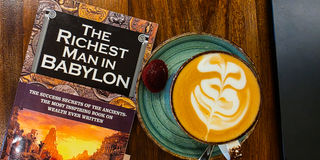
There are so many of us who work day in, day out, but whenever we are paid for our work, we pay everyone but ourselves. I tried practising paying myself after I read The Richest Man in Babylon some years ago, but, as it always is, discipline eluded me, and I forgot how to put the book's core principle into practice. This is how I found myself rereading this book: I realised its teaching is relevant to me and, I hope, to others, too.

This classic was written in the 1920s by George Clason. That it still speaks to present-day anxieties about money is both its strength and its limitation, as the book assumes certain conditions about work, stability, and choice that do not apply equally to everyone today. In its pages are different parables set in ancient Babylon, one of the richest cities ever to exist. The story starts with a man, Bansir, the chariot builder, who was sad and tired of being poor, and so, like many of us, he thought the solution to his problems would be to multiply his gold.
As they continued talking, the two friends wondered why they worked so hard yet had nothing to show for it. They wondered where their money goes. They start thinking about their long-time friend, Arkad, the richest man in Babylon. They wondered how he could be rich when they grew up together and are the same age. “Come, let us go to Arkad and ask how we, also, may acquire incomes for ourselves.”

According to Arkad, to be wealthy, one has to decide to be one. And they have to know exactly what they are willing to do to get their desires. Many people desire more riches than life has to offer, but they are never willing to put in the work required.

Clason offers seven principles that are the cure for a lean purse. These principles are taught by Arkad to men in Babylon, as per the King’s orders, after realising that there are so many poor people and so few who have acquired wealth.

Start fattening your purse. This is the first principle. For every earning you make, 10 percent of that income is yours to keep. In other words, you need to pay yourself every time you make money. No matter how small. No excuse. And this 10 percent that you pay yourself is yours to save. This is how you start growing your wealth. This is a simple truth. But it is easier said than done because this is my struggle, too. The book places great faith in personal discipline, though it leaves little room for the realities that often make consistency difficult, even for those who understand what they should do.

Now that you have learned how to save your money, you need to control your expenditure. Controlling your expenditure, he argues, will help you to keep some of the money you are saving as well as monitor your desires and live within your means. He adds that to do this, one needs to budget every penny that they spend.

“The purpose of a budget is to help thy purse fatten. It is to assist thee to have thy necessities and, insofar as attainable, thy desires. It is to enable thee to realise thy most cherished desire by defending them from thy casual wishes.”

Make gold thy multiply. Budgeting and saving are just the beginning. Now that you have saved, you need to make sure that your gold or money brings in more money. Whether you work or not. In other words, you need to invest your money. But before investing, he suggests getting knowledge from people who deal with finances and know where to invest. He warns in the fourth principle, making sure that you guard your money from loss.

“Be not too confident of thine own wisdom in entrusting thy treasures to the possible pitfalls of investment. Better by far to consult the wisdom of those experienced in handling money for profit.”

The Richest Man in Babylon offers basic principles for building wealth, regardless of how you define wealth. No matter how much money you have now, if you don't keep some for an emergency, life has a way of humbling such men. This reminder feels especially relevant, as the book often presents wealth as something fully within one’s control, while real life rarely offers such certainty.

Some parts of the book were repetitive, but it is still worth everyone’s time, especially young people looking to learn how to keep their income and invest some of it. The repetition sometimes reinforces its lessons, though it can slow the reading and make certain ideas feel overstated.

Jane Shussa is a digital communication specialist with a love for books, coffee, nature, and travel. She can be reached at [email protected]