Former Zambian minister killed during post-election security raid

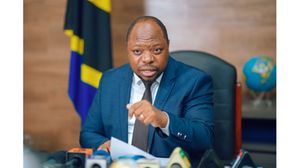
Former Zambian Transport and Communications Minister Mutotwe Kafwaya. PHOTO | COURTESY

Lusaka. Former Zambian Transport and Communications Minister Mutotwe Kafwaya was killed during a security operation at a property linked to opposition leader Brian Mundubile, police have confirmed, adding a new and disturbing dimension to tensions following last week’s presidential election.

Zambian police said Kafwaya was fatally wounded during an exchange of gunfire between security forces and unidentified people during the joint operation in Lusaka on Friday, August 14, a day after the country went to the polls. His death was confirmed by police on Wednesday after days of uncertainty over his whereabouts.

Police said security forces came under fire and returned fire during the operation. The authorities had earlier said the raid was targeting individuals suspected of involvement in militia activities and posing a threat to State security.

The Government said 11 people were arrested during the operation and that security forces recovered high-grade military weapons, ammunition and other materials allegedly intended for an armed insurrection.

However, Mundubile, who was at the property during the raid, has rejected the Government’s allegations, saying his political alliance was not involved in insurgency or militia activities.

He has also described the operation as an attack on his life and went into hiding afterwards, citing security concerns.

Kafwaya’s death had remained unclear for several days, with his family and opposition figures demanding information about his whereabouts.

Earlier reports that he had been admitted to Maina Soko Military Hospital were rejected by Government officials, who said there was no patient by his name at the facility. Police have now confirmed that he died during the security operation.

Kafwaya’s political career

Kafwaya was a senior member of the Patriotic Front and represented Lunte constituency in Parliament for nearly a decade.

He was appointed Minister of Works and Supply by then-President Edgar Lungu in 2018 before moving to the Ministry of Transport and Communications in 2019. He served in the position until the Patriotic Front lost power in the 2021 general election.

He remained active in opposition politics after leaving government and was among figures associated with Mundubile’s political alliance.

His death therefore comes at a particularly sensitive moment for Zambia, where political tensions have risen sharply following the August 13 presidential election.

Election tensions

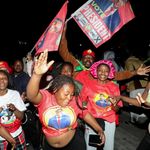
President Hakainde Hichilema was declared the winner of the election with about 60 percent of the vote, while Mundubile received about 38 percent, according to the Electoral Commission. Mundubile has rejected the outcome and announced plans to challenge it in court.

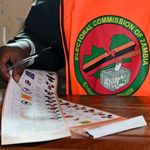
The election was already marked by incidents of violence and disruptions to vote counting. The Electoral Commission temporarily suspended counting after reports of attacks on polling officials and theft of marked ballot papers.

The arrests during the security raid have since drawn international concern.

United Nations High Commissioner for Human Rights Volker Türk called on the Zambian authorities to respect due process and ensure that arrests comply with international human rights standards. He also urged authorities to stop arbitrary arrests and bring detainees before courts promptly.

The Government has denied allegations that it is using the security operation to suppress political opposition, maintaining that the raid was conducted because of concerns over threats to State security.

Kafwaya’s death is now likely to intensify scrutiny of the operation and raise further questions about what happened during the exchange of gunfire.

With Zambia emerging from a closely watched election, the case has become a test of the Government’s handling of political dissent, security threats and the rule of law.

The circumstances surrounding Kafwaya’s death, including the events that led to the exchange of fire, are expected to remain a major issue as authorities face growing calls for transparency and accountability.