Dar es Salaam. The government has delayed the rollout of a Sh2 billion loan facility for content creators to allow for a review of interest rates and lending conditions, aimed at making the scheme more accessible to young creatives.
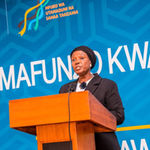
Minister for Information, Culture, Arts and Sports, Mr Paul Makonda, said in Dar es Salaam on Monday, April 20, 2026 that the loans had initially been scheduled for disbursement on April 18, but the launch was postponed to enable negotiations for more favourable terms.
Mr Makonda noted that the review primarily targets interest rates and other conditions to ensure the facility benefits its intended recipients.
“We postponed the launch so that we could renegotiate and obtain better loan terms that will not become a burden to young people,” he said.
He cautioned that high interest rates and strict collateral requirements risk locking out many young people with talent but limited financial means.
“If you impose high interest rates and require collateral, you automatically exclude a young person from a modest background from accessing the opportunity,” he said.
Mr Makonda observed that similar financing schemes often end up benefiting individuals who are already financially stable.
“In many cases, those who access such loans are already well off. You even see them driving expensive vehicles,” he said.
He stressed that the government intends for the programme to reach young creatives who have ideas and talent but lack adequate tools and resources.
“There is a young person with a dream, struggling with a small camera that cannot produce quality output, hoping that the government will support them,” he said.
The minister added that the facility will not be limited to digital content creators alone, but will also support a broader range of creative professionals.
He said beneficiaries will include individuals in other sectors under the ministry, such as salon operators, artists and companies employing large numbers of young people.
“We do not want to finance only people with cameras. Even someone running a salon or engaged in artistic work is part of the creative economy under our ministry,” he said.
Mr Makonda apologised for the delay, emphasising that the government is keen to ensure the scheme is structured in a way that genuinely empowers youth.
He noted that the Sh2 billion initiative forms part of wider efforts to strengthen Tanzania’s creative industry and expand economic opportunities for young people through arts, culture and digital innovation.