Film project to showcase women’s climate solutions in Tanzania
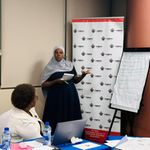
Programme manager for the Vijana at Work project Mandolin Kahindi speaking during the stakeholders meeting to amplify women voices in climate solutions. PHOTO | COURTESY
Dar es Salaam. As climate change continues to disrupt livelihoods, women across Tanzania are increasingly taking the lead in adopting resilient strategies to cope with its growing impact on daily life.
From prolonged droughts to destructive floods, women—particularly in communities reliant on agriculture and natural resources—are devising innovative ways to sustain their families amid harsh and unpredictable environmental conditions.
Despite their frontline role, experts say women’s voices have often remained underrepresented in climate discourse, prompting fresh efforts to amplify their experiences and locally driven solutions.
In response, My Legacy has launched an initiative that uses creative arts to document and highlight women’s responses to climate change.
The project, dubbed Green Frames, will involve women producing short films that capture their lived experiences, the environmental challenges they face and the adaptive strategies they employ within their communities.
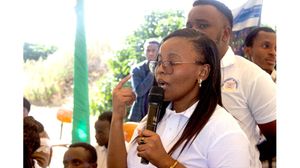
Speaking during a stakeholder meeting in Dar es Salaam that brought together development partners, environmental actors, artists, civil society organisations and the media, My Legacy executive director Ms Fortunata Temu said there was a need to create space for women to tell their own stories.
“Women are experiencing the effects of climate change in profound ways, but they are also actively responding to them. It is important that they are given space to share their realities and the solutions they are creating,” she said.
A stakeholder, Ms Magdalena George, noted that women and children remain among the most affected by climate change due to their roles within households and communities.
However, she said women continue to demonstrate resilience by adopting climate-smart solutions, particularly in agriculture.
Citing Dodoma as an example, she said some women have embraced drip irrigation technologies, enabling them to use limited water resources more efficiently and sustain crop production during drought.
“This shows that communities themselves can be part of the solution. Women, in particular, are leading innovation, and their efforts need recognition and support,” she said.
Meanwhile, programme manager for the Vijana at Work project implemented by CIDEA in collaboration with CT Institute and funded by the European Union, Mr Mandolin Kahindi, underscored the role of creative arts in advancing social change.
He said platforms such as film, theatre and community radio enable young people to raise awareness and engage communities on cross-cutting issues, including climate change, gender equality and freedom of expression.
“We believe collaboration is key. That is why we encourage partnerships among young people and between youth and local government authorities to address these challenges and drive development,” he said.