Melbourne Declaration opens Women Deliver 2026 with call for global power shift
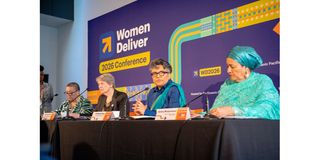
UN Deputy Secretary-General Amina Mohammed (first right), the President and Chief Executive Officer of Women Deliver, Dr Maliha Khan, Rt Hon. Helen Clark, and the Executive Director of DIVA for Equality in Nadi, Fiji, and Co-Chair of the WD2026 Regional Steering Committee, Noelene Nabulivou, at a press conference in Melbourne.
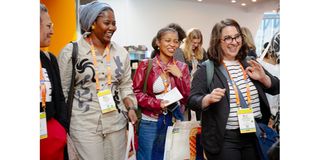
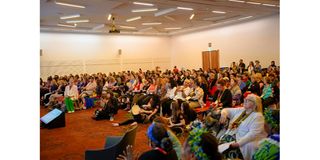
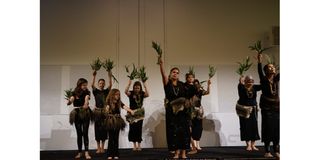
Melbourne. The Women Deliver Conference 2026 has opened in Narrm, Melbourne, bringing together global leaders under the theme “Change Calls Us Here”, with a strong call to rebalance how the world advances gender equality.
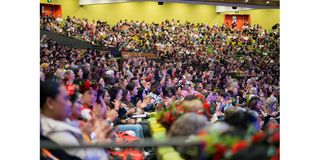
The four-day conference, running from April 27 to 30, 2026 has attracted more than 5,300 delegates from over 185 countries. The programme includes 12 plenary sessions, 12 pre-conferences, more than 120 concurrent sessions and over 80 side events, making it one of the largest global gatherings on gender equality.
A key highlight will be the launch of the Melbourne Declaration at the close of the conference. The document sets out a shared commitment across the global gender equality movement to shift power, resources and accountability.
It calls on governments to uphold human rights, urges feminist movements and civil society to hold leaders accountable, and encourages international partners to support rather than replace locally led efforts.
Speaking during a press briefing, Women Deliver Chief Executive Officer Maliha Khan said the declaration seeks to rebuild a gender equality system that has too often been shaped by donor priorities rather than the needs of affected communities.
She said the aim is to anchor future efforts in human rights, solidarity and leadership from those most affected by inequality.
Ms Khan added that while the existing system has delivered important gains, it has also created dependency on donors and institutions based far from the communities they serve.
“The system that housed our victories created a model of dependency, making millions reliant on donors and organisations headquartered thousands of miles away, rather than building the conditions for states to be held accountable to their people,” she said.
She further noted that parts of the gender equality ecosystem had become weakened by political pressures and donor influence, making it less responsive when faced with sustained resistance.
However, Ms Khan said the conference should not be viewed as a moment of despair.
“We have secured the impossible before, and we will do it again. We choose courage over caution, solidarity over spectacle, and joy over despair,” she said.
Victoria State Minister for Women and Girls Gabrielle Williams said Australia’s state of Victoria was proud to host the conference on behalf of the Oceanic Pacific region, placing it at the centre of global discussions on women’s rights.
“Progress for women and girls isn’t guaranteed. It has to be fought for, built, and protected,” she said, adding that global gatherings of this nature help sustain momentum and shared learning.
She noted that Victoria had both lessons to share and lessons to learn from global advocates working towards gender equality.
The Executive Director of DIVA for Equality in Fiji’s Nadi and Co-Chair of the WD2026 Regional Steering Committee, Noelene Nabulivou, said the choice of location carried deep significance for Pacific movements.
With more than four decades of organising across feminist, climate justice, and sexual and reproductive health and rights movements, Ms Nabulivou has played a key role in ensuring the conference reflects the leadership of Oceanic Pacific feminists.
She said the Melbourne Declaration represents both a regional and global demand for change.
“For too long, international frameworks have spoken about our communities while decisions were made elsewhere,” she said. “This Declaration demands that power, resources and accountability flow to the people and movements doing the work.”
Across its programme, Women Deliver 2026 will focus on key global issues including bodily autonomy, public services, gender-based violence, climate justice, digital rights, movement funding, adolescent girls’ leadership, conflict, and accountability.
The conference brings together political leaders, activists, funders, journalists and young people at a time of rising global conflict, shrinking civic space, increasing pressure on women’s rights, and growing scrutiny over whether existing systems are delivering for the people they are meant to serve.