Tanzania’s Kikuletwa hydropower plant to slash reliance on imported electricity
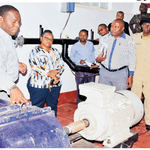
The East Africa Skills Transformation and Regional Integration Project (EASTRIP) Coordinator, Mr Sithole Mwakatage (left), leads a delegation from the World Bank’s Second Education and Skills for Productive Jobs (ESPJ-II) National Steering Committee during a visit to the Kikuletwa Renewable Energy Training Centre in Kilimanjaro Region on Monday, May 18, 2026. PHOTO | BERTHA ISMAIL
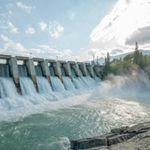
Arusha. Tanzania is set to end its reliance on imported backup electricity following the completion of a modern hydropower facility at the Kikuletwa Renewable Energy Training and Research Centre in Kilimanjaro Region.
The new auxiliary power plant, expected to begin operations soon, will serve as a strategic national support grid aimed at stabilising electricity supply in the northern zone and strengthening the country’s energy security.
The development was revealed on Monday, May 18, 2026, during a visit by the National Steering Committee of the World Bank-funded East Africa Skills Transformation and Regional Integration Project (EASTRIP) to the Kikuletwa Renewable Energy Training and Research Centre in Hai District.
Speaking during the visit, EASTRIP Tanzania Coordinator Sithole Mwakatage said the hydropower station will play a key role in reducing Tanzania’s dependence on external backup electricity sources.
“The Kikuletwa hydropower plant will act as a voltage stabiliser for the northern zone, eliminating the need for Tanzania to depend on auxiliary electricity supply from neighbouring countries, including Kenya,” said Mr Mwakatage.
Located about 20 kilometres from the Boma Ng’ombe road junction in Hai District, the facility is expected to begin feeding additional electricity into the national grid from December 2026.
The project comes as countries worldwide grapple with rising fuel prices linked to the ongoing conflict in the Middle East, prompting accelerated investment in renewable energy.
Tanzania is positioning itself strategically by expanding sustainable energy sources to cushion the economy against global energy shocks.
An instructor at Arusha Technical College (ATC), Dr Adam Mfangavo, overseeing the Kikuletwa facility, said the centre is not only generating electricity but also training a new generation of renewable energy experts across East Africa.
“We are building capacity for young people in East Africa to become experts in renewable energy so that the continent can reduce overdependence on fossil fuels, which continue to be affected by global geopolitical conflicts,” he said.
The visiting delegation included the World Bank’s Second Education and Skills for Productive Jobs (ESPJ-II) Task Team Leader, Huma Kidwai, and EASTRIP Task Team Leader, Nkahiga Mathus Kaboko, both of whom expressed satisfaction with progress at the centre.
The delegation later held a closed-door meeting in Boma Ng’ombe with Deputy Minister for Education, Science and Technology, Ms Wanu Hafidh Ameir.
Spanning more than 354 acres, the Kikuletwa campus is currently the largest renewable energy training facility in northern Tanzania and operates under Arusha Technical College.
Under the EASTRIP programme, the centre offers training in various green energy technologies, including hydropower, solar, wind, bioenergy, and geothermal energy.
According to ATC Principal, Prof Musa Chacha, by January 2026, the centre had trained 3,519 students in renewable energy-related fields, including 631 women, among them were 116 students from neighbouring Kenya.
Beyond academic training, the Kikuletwa centre is the only renewable energy institution in Africa operating its own electricity generation station.
Constructed for $4.63 million (over Sh10 billion), the hydropower plant is expected to generate 1.7 megawatts in its first phase and feed directly into the national grid.
Once the remaining two downstream phases are completed, capacity is expected to rise to 17 megawatts, enough to support both Arusha and Moshi cities.
The project is being implemented by China-based HNAC Technology Company in partnership with Tanzania’s White City International.
EASTRIP was established following a World Bank survey, which found that more than 25 percent of formal firms in Sub-Saharan Africa face skills shortages, while nearly 29 percent of production workers are considered unskilled.