Dar es Salaam. Stakeholders have called for stronger enforcement of land laws, tighter controls on land transactions and greater public awareness to reduce land disputes and protect women’s rights to own and use land.
They also want women to have greater access to legal aid and increased representation in decision-making bodies, saying this would strengthen their ability to defend their land rights and improve their economic livelihoods.
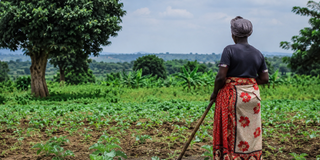
Stephen Ruvuga, executive director of a network of small-scale farmers’ groups in Tanzania, which is popularly known by its Kiswahili acronym as Mviwata, said many land disputes could be avoided if existing laws and procedures were properly enforced.
He said the transfer of village land to general land was governed by specific procedures, but failure to follow them contributed to disputes.
Mr Ruvuga also warned against interference by individuals and institutions without the legal authority to resolve land disputes, saying this could worsen rather than solve conflicts.
HakiArdhi executive director Cathbert Tomitho called for regulation of land transactions, particularly in rural areas, where land remains a key livelihood asset for women.
“If you do not regulate the land market, you allow land to be sold arbitrarily, and ultimately it is women who suffer because they depend on farming to feed their families, care for their children and pay for their education,” he said.
Mr Tomitho also opposed the arbitrary allocation of large tracts of land to investors, saying this left villagers competing for limited land.
He called for greater public education on land laws and rights, particularly for women, and better land-use planning.
Lawyer Jebra Kambole said village leaders’ powers to sell land should be restricted, with such decisions subject to approval by higher authorities.
He also urged the Government to prioritise villagers who have occupied land for years when issuing customary rights of occupancy certificates.
Legal aid
Stephano Chepesi, a programme officer at the Morogoro Legal Aid Centre, said the Government should continue supporting legal aid organisations to help citizens pursue land claims.
He said women’s limited financial resources often prevented them from accessing the courts and defending their rights.
“Education, skills, management and leadership are needed to increase women’s participation in decision-making bodies. This will also help them protect and defend their rights when they are violated,” he said.
Morogoro Regional Assistant Land Commissioner Idrisa Kayera urged people seeking land to follow legal procedures, saying applicants with complete documents could obtain title documents within three days.
He said the Government would continue conducting land clinics to bring registration services closer to communities.
For married couples, Mr Kayera advised that land documents should be registered in both spouses’ names to prevent disputes if one partner dies.
Waluguru chief Musa Bwakila said traditional practices that recognised women’s rights to land should also be revived, arguing that modernisation and changing social practices had weakened women’s position in land ownership.
Register to begin your journey to our premium contentSubscribe for full access to premium content