Canada’s Head of Cooperation visits Mtwara schools as 65,000 children benefit from improved meals
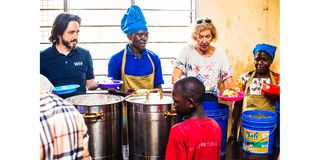
WFP Tanzania Country Director Ronald Tran Ba Huy and Head of Cooperation at the Embassy of Canada in Tanzania Carol Mundle served school meals to pupils at Mji Mpya Maalum Primary School in Tandahimba District.
Mtwara. Canada’s Head of Cooperation at the Embassy of Canada in Tanzania, Carol Mundel, has visited Tandahimba District in Mtwara Region to assess the impact of a Canada-funded programme supporting school health and nutrition for thousands of learners in southern Tanzania.
The visit on March 25, 2026 focused on the School Health and Nutrition Project, a major initiative implemented by the World Food Programme (WFP) in collaboration with the Government of Tanzania, which is currently supporting 65,000 schoolchildren across 116 primary and secondary schools in Mtwara and Lindi regions.
The programme is targeting areas considered among the most vulnerable in the country, where poverty and food insecurity continue to affect children’s wellbeing and school participation. Programme figures indicate that anaemia among school-aged children stands at 44 percent in Mtwara and 40 percent in Lindi, while school meal coverage remains limited at 52 percent in Mtwara and 63 percent in Lindi, highlighting the need for sustained investment in school feeding.
For many children in the two regions, school meals remain the most dependable source of daily nutrition, directly influencing attendance, concentration in class and overall academic performance.
During the visit, the delegation observed the preparation and serving of diversified meals and toured school gardens aimed at strengthening dietary diversity and long-term sustainability.
The project has also introduced small livestock initiatives, financial top-ups to improve meal quality, and technical training for teachers, cooks and school committees, alongside nutrition education to promote healthier practices at school and within households.
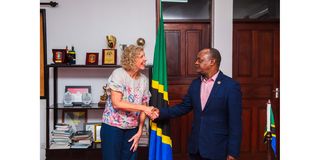
The delegation was received by Tandahimba District Commissioner Michael Mtenjele, who held discussions with partners on strengthening food security and sustaining school feeding efforts across the district.
WFP Country Director Ronald Tran Ba Huy said the programme was proving to be a critical investment in education and child development.
“School feeding is one of the most effective investments in education. With Canada’s support, 65,000 children are not only receiving meals, they are receiving an opportunity to learn, thrive, and build a stronger future,” he said.
Teachers in schools visited by the delegation said the improvements were already producing visible changes in attendance and classroom engagement, particularly among girls.
Head Teacher Ismaili Saidi of Nahnyanga Primary School said nutritious meals were playing a direct role in improving learning outcomes.
“School feeding is key to better learning. Nutritious meals improve concentration, attendance, and performance, especially for students from vulnerable households. By addressing hunger, we strengthen learning and overall wellbeing,” he said.
Canada’s Head of Cooperation Carol Mundel said the initiative reflected Canada’s commitment to supporting education systems by strengthening child nutrition and school health.
“Canada is proud to partner with Tanzania to ensure children can learn on a full stomach. Education and nutrition go hand in hand in building stronger communities,” she said.
The School Health and Nutrition Project, which runs from 2024 to 2029, is funded by the Government of Canada and implemented jointly by WFP and the Government of Tanzania, with the goal of strengthening sustainable, home-grown school feeding systems aligned with national education priorities.
Stakeholders said the programme is not only reducing hunger, but also improving retention and supporting long-term development outcomes in some of Tanzania’s most food-insecure communities.