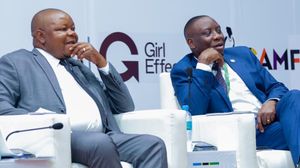
Tanzania Parliament starts 87-day budget sitting amid rising expectations

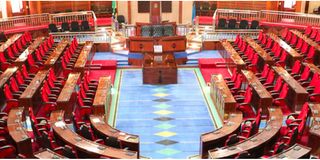
Dodoma. Members of Parliament (MPs) are facing a heavy task over the next 87 days in Dodoma as the third sitting of the 13th Parliament commences Tuesday, March 31, 2026, marking the first budget session of the sixth government’s second term.

Various groups have placed six key expectations on MPs to ensure the upcoming budget addresses the needs of Tanzanians, particularly focusing on capital empowerment.
Citizens are calling for a self-reliant budget, removal of troublesome taxes, establishment of an African minerals market, monitoring of changing agricultural seasons, and psychological readiness in case global instability persists.

The government has announced that the 2026/27 budget is expected to total Sh62.33 trillion, an increase of nearly 10 percent from the current Sh56.49 trillion budget, which runs until Tuesday, June 30, 2026.

Revenue collection will be emphasised to make the budget largely self-reliant.

In presenting the government Programme and the National Development Vision 2050, Finance Minister, Mr Hamisi Mussa Omary, warned MPs that the private sector will be the main engine of growth in the next budget.

For new lawmakers, the expectations of Tanzanians are keenly awaited, especially as they familiarise themselves with challenges encountered during campaigns and promises made to voters.

Budget and economic analyst from the College of Business Education (CBE), Dr Nasibu Mramba, said the government must ensure the budget aligns with economic indicators rather than other considerations.

He pointed out red flags such as declining donor support due to ongoing conflicts in major nations and unrest in Tanzania on October 29, 2025.

“It may sound good in words, but implementation could be difficult, possibly failing within three months. The government must plan carefully,” said Dr Mramba.

He also highlighted the volatility of agricultural seasons caused by climate change as a factor that could increase the budget’s burden.

The Legal and Human Rights Centre (LHRC) Executive Director, Dr Anna Henga, described the 2026/27 budget as likely to be the most constrained in recent years, as donor countries are prioritising self-protection.

“European countries, the US, and others are likely to experience high inflation because oil-producing nations are also in conflict,” she said, urging careful implementation and management of the budget.

Federation of Miners Associations of Tanzania (Femata) President, Mr John Bina, emphasised public resource protection given the negative global developments.

He proposed building an African mineral market to allow countries facing unrest to buy and store minerals in Tanzania, and urged the Bank of Tanzania (BoT) to continue purchasing minerals as it currently does.

Representing persons with disabilities, the director of Projects at Voice of the Disabled Tanzania, Mr John Mlabu, called for their inclusion in economic plans.

He said infrastructure development had improved, but lending conditions remain cumbersome.

“Empowerment should not be generalised. Banks struggle to approve loans of Sh5 million, citing an M-Pawa transaction of just Sh500. This is unfair,” said Mr Mlabu, urging the government to consider expert research on borrower groups and involve them in understanding borrower histories.

The Public Voice Party in Dodoma chairman, Mr Emmanuel Ngobito, called for a self-reliant budget rather than reliance on “uncles,” focusing on grassroots groups such as women in nutrition, cobblers, and informal traders.

“What is needed is education first. Every Tanzanian should take pride in paying taxes; it should not be a burden. MPs should guide taxpayers instead of confronting business owners,” said Mr Ngobito.

He added that informal market barriers have caused revenue losses and that friendly dialogue could instil a culture of voluntary tax payment.

Street Vendors Association Chairman for Dodoma, Mr Christian Msumari, urged the budget to include a strategic plan for designated trading spaces.

He noted that over the past three years, the majority of small businesses lost capital due to feared evictions, which resumed after temporary relief under the fifth government.

Mr Msumari said a budget allocating funds for markets in commercial towns accessible to customers would be highly effective.

Regarding economic empowerment, he stressed that access to loans from council funds remains challenging and called for a budget that reduces dependence on external support.