The increase of rural electrification from 2015 to 2020 is now at 67.1%.
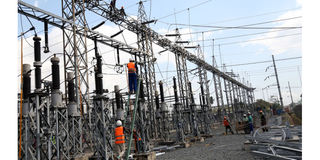
Tanga. OK Electricals and Electronic Services has been picked to implement the Sh11.5 billion electrification project in the Tanga region.
The implementation timeline for the project is set at 18 months but can be completed by December this year, should all the equipment be supplied on time.
Some of the equipment will be procured from as far as China, according to the project supervisor, Levocatus Mwankemwa.
He revealed this during the recent signing of the project contract between the firm and the Rural Energy Agency (REA).
It is being implemented under Phase III of the multi-billion shilling Peri-Urban Electrification Project (PUEP) across the country.
“Electrification under the project will be carried out in the headquarters of all districts in the region,” said Hassan Said, REA’s Director General.
However, according to him, it will not be implemented in Pangani and Kilindi districts. Tanga region has eight districts.
Signing of the contract was witnessed by the acting Tanga Regional Commissioner, Hashim Mgandilwa and the REA DG, Mr Said.
Speaking during the event, Mr Said said the broader project, PUEP, will be implemented in eight regions at the cost of Sh76.9billion.
The Tanga region is set to benefit at least 4,346 electricity consumers in 82 peri-urban areas.
Recently the government signed contracts of Sh76.9 billion with four contractors that will distribute electricity to the country’s peripheral areas.
The entire PUEP III project is expected to distribute power to hundreds of households in eight regions namely Kagera, Geita, Kigoma, Mbeya, Mtwara, Singida, Tabora and Tanga by mid-2024.
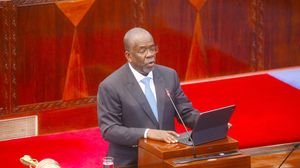
According to the minister for energy, January Makamba, the project is being implemented within the framework of the national goals.
The government has underlined that before 2025, all villages in the country will be connected to electricity.
Available statistics indicate that rural electrification has increased from just 16.4 percent in 2015 to 67.1 percent as of 2020.