East Africa urged to turn women’s empowerment pledges into tangible action

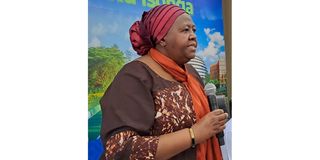
Chairperson EALA women's caucus  Fatuma  Ndangiza

Dar es Salaam. Leaders and advocates across East Africa have called for stronger and more coordinated efforts to advance gender equality and expand opportunities for women and girls as the world marked International Women’s Day on March 8.

The annual global observance celebrates the achievements of women while also drawing attention to the persistent barriers that hinder their full participation in economic, political and social life. This year’s theme, “Give to Gain – Rights, Justice, Action,” emphasises the need to translate commitments to gender equality into practical policies and programmes that empower women and girls.

Across East Africa, governments and institutions have in recent years introduced reforms aimed at strengthening women’s rights and promoting gender-responsive development. These measures include policy changes, legal protections and initiatives designed to expand women’s access to education, entrepreneurship opportunities and leadership positions.

In a statement issued on Tuesday, March 10, President of the East African Legislative Assembly (EALA) Women’s Caucus Ms Fatuma Ndangiza said that globally more than 99 legal reforms were adopted between 2019 and 2024 to remove discriminatory laws and strengthen protections for women.

Within the East African region, she noted, these reforms have contributed to a growing presence of women in decision-making roles, including in national parliaments, regional institutions and local government structures.

“Despite these gains, many women and girls across the region continue to face significant barriers. Unequal access to education and economic resources, gender-based violence and limited representation in leadership positions remain persistent challenges,” she said.

Women in rural communities and those from marginalised groups are often the most affected, as social norms, economic inequalities and institutional barriers restrict their ability to fully exercise their rights and participate in public life.

According to Ms Ndangiza, development analysts say addressing these challenges will require sustained political commitment and stronger collaboration among governments, civil society organisations and development partners.

Regional institutions have also been encouraged to play a greater role in advancing gender equality by supporting policy coordination, legislative advocacy and the sharing of best practices among member states. Observers say stronger cooperation can help ensure that commitments made at both national and regional levels translate into measurable improvements in the lives of women.

“Research consistently shows that investing in women and girls brings wide-ranging benefits to societies. Increased access to education, healthcare and financial services enables women to participate more actively in economic activity, improving household incomes and strengthening community resilience,” she added.

Similarly, greater representation of women in leadership positions has been linked to more inclusive governance and stronger democratic institutions.

As countries reflect on the significance of International Women’s Day, advocates say the focus must move beyond symbolic celebrations towards sustained action that expands opportunities for women and girls and accelerates progress towards gender equality across East Africa.