Dar es Salaam. A delegation from Norway’s Equinor, led by Mr Noel Cox and accompanied by a representative from the Tanzania Petroleum Development Corporation (TPDC), Mr Asiad Mrutu, has visited key service providers earmarked to support the implementation of the proposed $42 billion Liquefied Natural Gas (LNG) project in the Lindi and Mtwara regions.
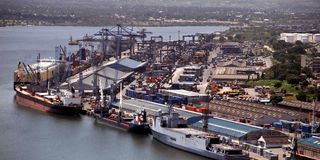
The visit focused on assessing and verifying the readiness and capacity of the Mtwara Port to handle the wide range of cargo expected during the execution of the major strategic energy project once operations begin.
During the tour, the delegation was briefed by the Acting Port Manager, Mr Mtunze Sudi, on a series of upgrades undertaken at the port. These include improvements to cargo handling infrastructure, enhanced operational efficiency, and the introduction of modern technologies to support port operations.
Mr Sudi said the developments have significantly strengthened the port’s ability to handle diverse cargo types efficiently and in line with the requirements of large-scale international projects.
“This has boosted our preparedness to handle project-related operations once they commence,” he said.
He further assured the visiting delegation that the port is fully prepared to provide services whenever required, stressing that management is committed to delivering fast, high-quality services to support successful implementation of the project, which is expected to be a key driver of national development.
Tanzania’s long-anticipated LNG development, estimated to cost around $42 billion, is planned for the gas-rich southern corridor of Lindi and Mtwara.
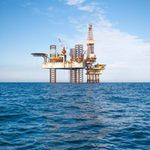
The project, jointly pursued by the Government of Tanzania through TPDC and international energy partners including Equinor and Shell, is designed to monetise substantial offshore natural gas reserves.
However, the project has remained in the negotiation phase for several years, largely due to complex discussions over fiscal terms, regulatory frameworks, and the Host Government Agreement (HGA).
Negotiations between the government and investors are ongoing, with stakeholders seeking to reach final investment decisions that would unlock the construction phase.
Once concluded, the LNG facility is expected to significantly transform Tanzania’s energy sector and position the country as a major exporter of liquefied natural gas in the region.