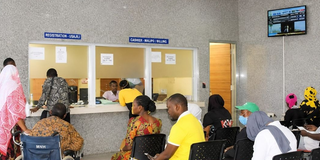
Dar es Salaam. Health sector stakeholders have urged the government to overhaul hospital service delivery, warning that widespread challenges surrounding medication access and billing cannot be resolved through technology alone.
They emphasise that the entire healthcare apparatus must be restructured around patient-centred care, while improving doctor-patient communication, cutting bureaucracy, and enhancing operational transparency.
These calls come as health authorities begin taking corrective measures following mounting public outcry over hospital inefficiencies.
Ministry of Health Permanent Secretary, Dr Grace Magembe, visited Muhimbili National Hospital (MNH) on July 30, 2026, ordering immediate technological upgrades to payment systems to boost transparency, streamline care, and eliminate patient inconvenience.
Her visit followed an investigative report published by The Citizen’s sister newspaper, Mwananchi, on July 29, 2026, which exposed grievances from citizens regarding unexplained drug fees, inflated treatment costs, and severe service delays across public facilities.
However, industry experts maintain that alongside digital upgrades, the government must enforce strict staff accountability, improve patient information flows, and drive overall operational efficiency.
Calls for systemic reform
Medical Association of Tanzania (MAT) President, Dr Alex Soka, stressed that recurring operational hurdles require long-term systemic solutions rather than temporary fixes.
Dr Soka prioritised reforming the pharmaceutical supply chain by ensuring continuous availability of essential drugs, expanding electronic prescribing, and tracking inventory digitally to prevent shortages and service bottlenecks.
“A lack of medicines, or missing information about available stock, causes immense frustration for patients and their families,” said Dr Soka.
He recommended that hospitals establish formal protocols to provide structured, plain-language progress updates to families at designated intervals throughout treatment.
According to Dr Soka, enhanced communication must be paired with mandatory customer service training for doctors, nurses, and administrative staff to reinforce professional ethics and restore patient trust.
He further advocated streamlining registration, payment, diagnostic testing, and referral workflows using digital systems, alongside setting up one-stop service centres to eliminate unnecessary movement between hospital departments.
“Furthermore, we must address critical shortages of healthcare personnel and essential medical equipment, which directly drive service delays and patient dissatisfaction,” he added.
Dr Soka also called for dedicated customer service desks to log and resolve complaints swiftly, supported by routine quality audits and decisive administrative action against shortcomings.
“We need a system that places the patient at the centre of care. This will reduce conflict between families and healthcare workers while restoring public confidence in our health sector,” emphasised Dr Soka.
Tanzania Nurses Association (Tanna) President, Dr Ezekiel Mbao, echoed the need for transparency, noting that most complaints can be avoided if patients receive upfront disclosures about diagnoses, required tests, expected costs, and treatment durations.
Dr Mbao stressed that practitioners are ethically bound to ensure patients fully understand prescribed medications and their therapeutic purpose before administering treatment.
“A clinician must explain the diagnosis, necessary tests, costs, and timeline. Clear information relieves anxiety and empowers families to make informed medical decisions,” said Dr Mbao.
Addressing allegations of patients being billed for unissued medicines, Dr Mbao suggested some incidents stem from confusion between generic and brand names.
However, he warned that altering prescriptions without patient consent is professionally unacceptable, maintaining that transparent dialogue is the only way to eliminate distrust.
Parliamentary Standing Committee on Health and Aids Matters Chairperson, Dr Johanes Lukumay, confirmed his committee is ready to evaluate public complaints and present recommendations to parliament.
Speaking from abroad, Dr Lukumay requested a compiled summary of reported grievances to present during upcoming committee sessions.
“We rely on feedback from the public and media to advise the government effectively. Once I receive these details, I will present them to the committee to guide formal policy advice,” stated Dr Lukumay.