MUHAS’ new approach to building a future health workforce
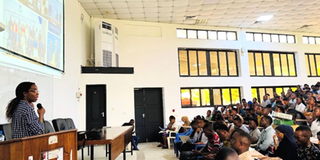
Head of the Internationalization and Convocation Unit at MUHAS, Dr Maryam Amour, Introduces Career Support Services to first year students during orientation week. PHOTO | COURTESY
Dar es Salaam. Tanzania’s health sector is expanding with new specialist hospitals, advanced technologies and plans to position the country as a regional medical tourism hub.
However, experts say training more doctors and nurses alone is no longer sufficient to meet emerging demands.
They argue that the modern health system requires professionals who can adapt to new technologies, take up specialised roles and continuously update their skills throughout their careers.
Against this background, the Muhimbili University of Health and Allied Sciences (MUHAS) has introduced a new approach to career development for its students aimed at bridging gaps in career awareness and workplace readiness.
A baseline assessment conducted among first-year students enrolled in the 2025/26 academic year found that while most joined health programmes with a strong desire to serve society, many had limited understanding of available career pathways and insufficient exposure to structured career guidance before university.
In response, MUHAS has established career support services designed to follow students throughout their studies.
These include career counselling, mentorship, professional networking, career talks and skills development programmes.
The initiative was outlined during a recent career development session and in a statement issued by the university on June 27, 2026.
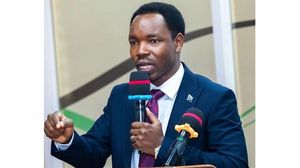
Speaking during the session, System Change Programme Lead Hamisi Msagama said universities must look beyond graduation numbers when assessing success.
“The future of Tanzania’s healthcare system will depend not only on how many health professionals we train, but also on how well we prepare them for a dynamic and interconnected world,” he said.
He said healthcare is being reshaped by digital technology, artificial intelligence, emerging diseases and climate-related health challenges, requiring more adaptable professionals.
MUHAS said it has also expanded international exposure opportunities, allowing selected students to undertake clinical placements and exchange programmes at institutions in the United States, Ireland, Norway and other countries.
Health policy expert Mohammed Jabir said healthcare workers must combine clinical knowledge with leadership, research and technological skills.
“Our investment in hospitals must go hand in hand with investment in people,” he said.
Dr Jabir added that structured career guidance helps students make informed decisions on specialisation and long-term career development.
The initiative aligns with broader government efforts to strengthen specialist healthcare services and improve access to quality care.
As Tanzania advances towards universal health coverage and expands its role in regional healthcare services, experts say developing a workforce with adaptable skills will be key.
Register to begin your journey to our premium contentSubscribe for full access to premium content