Ice cover on Kilimanjaro rises to 5.92 square kilometres

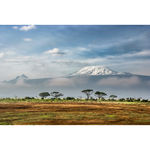
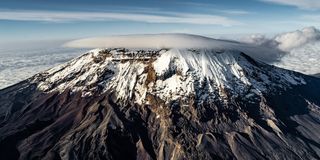
Moshi. Ice coverage on Mount Kilimanjaro has increased from 2.24 square kilometres in 2010 to 5.92 square kilometres in 2025, according to recent studies.

A First Grade Conservation Officer from the Ecology Conservation Science Unit at Kilimanjaro National Park Authority, Mr Swahibu Massawe, said the increase reflects the impact of ongoing conservation efforts around the mountain.
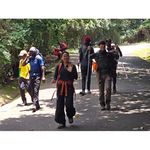
Mr Massawe made the remarks on March 23, 2026, during a send-off event for 22 staff members from the Tanzania Unit Trust Fund (UTT) and the National Development Corporation, who are undertaking a six-day climb organised by Zara Tours.

He said the mountain experienced a sharp decline in ice cover between the 1980s and 2000 due to climate change and deforestation in areas surrounding the park.

“In 2000, the government, in collaboration with Tanzania National Parks Authority, took deliberate measures to improve moisture retention on the mountain in order to conserve the ice,” he said.

According to Mr Massawe, studies conducted in 1980 showed that the mountain had about 20 square kilometres of ice cover. This declined significantly to 2.2 square kilometres by 2000.

He said the coverage rose slightly to 2.24 square kilometres in 2010 before increasing further to 5.92 square kilometres in 2025.

“This is a significant achievement and a result of joint conservation efforts between authorities andcommunities living around the park,” he said.

The Chief Warden of Kilimanjaro National Park, Ms Angela Nyaki, said tourism in the park continues to grow alongside conservation efforts.

She said the park received 65,000 tourists in the 2023/2024 financial year, generating Sh95 billion, while 69,000 visitors were recorded in 2024/2025, with revenues exceeding Sh103 billion.

“Tourism and conservation go hand in hand. Without conservation, tourists would not come. While visitors are attracted by the ice, the forest plays a crucial role in sustaining it,” she said.

Ms Nyaki added that since 2020, the park has been implementing tree-planting initiatives in collaboration with surrounding communities to strengthen conservation efforts.

Meanwhile, Moshi District Commissioner Mr Godfrey Mnzava commended the group for promoting domestic tourism through their climb of the mountain.