Kili Trust strengthens accountability ahead of new grant disbursements
Strategic conversations are underway to shape practical interventions tailored for small-scale miners in Geita Region, a population facing unique vulnerabilities in the HIV response.
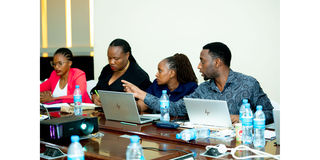
Mwanza. The Kilimanjaro Challenge Against HIV and AIDS Trust widely known as Kili Trust has convened a five-day beneficiaries’ induction and capacity-building workshop aimed at strengthening governance, financial accountability and programme impact before releasing new grant funding.
The workshop, running from February 16 to 20, 2026, brings together beneficiary organisations, implementing partners, stakeholders and sponsors as part of preparations for disbursement under the 2024/2025 Kili Grants Portfolio.
The programme supports livelihood empowerment, community health strengthening and sustainability initiatives expected to benefit 2,309 direct and 19,690 indirect beneficiaries across six regions of Tanzania.
Organisers describe the meeting as a key governance milestone. All beneficiary organisations must undergo due diligence, structured induction, compliance orientation, financial management training and monitoring and evaluation briefings before receiving funds — measures aimed at reinforcing transparency and accountability.
Expanding impact in vulnerable communities
Founded in 2002 by Geita Gold Mining Limited, the Kili Challenge has grown into one of Tanzania’s largest private sector initiatives supporting the fight against HIV and AIDS. The Trust works closely with the Tanzania Commission for AIDS to ensure technical alignment and oversight.
Kili Trust Manager Stephen Mhando said the initiative goes beyond fundraising to mobilise national action and solidarity.
“The annual Kili Challenge is more than a fundraising event. It is a national call to action that brings together partners, communities and individuals to stand in solidarity with people affected by HIV and AIDS,” he said, noting that funds raised help expand interventions that strengthen livelihoods, improve access to health services and reduce stigma.
This year’s programme will also extend targeted support to small-scale miners, identified as a vulnerable group due to high mobility, informal working conditions and limited access to health services. Planned interventions will focus on prevention awareness, testing, treatment linkage and strengthening community resilience in mining areas.
Focus on sustainable results
The Trust continues to fund programmes that promote livelihood empowerment for people living with HIV, food security, community-based prevention and treatment support, stigma reduction and psychosocial services, as well as strengthening health systems and referral networks.
Officials say reinforcing compliance and measurable outcomes is essential to maintaining donor confidence and ensuring funds translate into tangible community benefits.
Call for support ahead of 2026 challenge
As preparations gather pace for the 2026 Kili Challenge, the Trust is calling on companies, institutions and individuals to support this year’s fundraising campaign.
The initiative aims to raise $1 million to support national efforts — and global targets set by UNAIDS — to end the AIDS epidemic by 2030.