Dar es Salaam. Rising fuel prices are increasingly spilling over into key sectors of the economy, with the latest impact now being felt in the cost of liquefied petroleum gas (LPG), the clean cooking energy source the government has been aggressively promoting under its national clean energy agenda.
The latest increase in cooking gas prices is piling fresh pressure on households already grappling with the high cost of living, forcing many families to reconsider their daily energy choices amid growing economic strain.
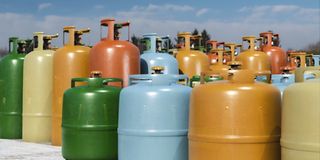
While agents from different parts of the country confirmed the increase in LPG prices, LPG companies denied any decision to increase prices.
Contacted, Oryx Energies Marketing Manager, Mr Peter Ndomba, denied that the company had officially announced any adjustment in prices.
“There is no information whatsoever about an increase in gas prices. I do not know where that information comes from.
If such an issue existed, there would certainly have been official communication. We will have to investigate those agents who raised the prices,” he said.
An official from Total Gas, who requested anonymity because she was not authorized to speak on behalf of the company, said Total had not increased its prices.
Efforts to reach Puma Gas proved futile because the official was not picking. Recently, Taifa Gas assured consumers that it would maintain LPG prices despite rising global market costs.
“We recognize that LPG is now an essential energy source for many Tanzanians. Our approach is to support affordability while ensuring consistent and reliable supply across the country,” the company said.
Agents say they have been directed that beginning yesterday, prices would be adjusted, driven by rising international market costs, although efforts had been made to minimize the impact on consumers.
Under the new pricing structure, a 6kg cylinder that previously retailed at Sh24,000 is now selling at Sh28,000, while a 15kg cylinder has risen from Sh58,000 to Sh63,000. The price of a 38kg cylinder has increased to Sh145,000 for end users.
One LPG agent who requested anonymity, said suppliers had already informed agents about the changes.
“When they came yesterday, they told me they were making the final deliveries using the old prices and that from today the prices would change. For example, the small Total cylinder was Sh21,000 but has now increased to Sh24,000.
I have already placed an order, and I’m waiting for a new supply,” the agent said.
Contacted, the Energy and Water Utilities Regulatory Authority (Ewura) Acting Director General, Mr Gerald Maganga, said LPG is a fossil fuel, and the regulator continuously monitors global market movements against local prices to prevent suppliers from profiteering at the expense of consumers.
“Ewura continuously monitors movements in international LPG prices and compares them with local market trends to ensure consumers are protected from unfair pricing practices while maintaining a sustainable and competitive market environment for suppliers,” he said.
Economists warned that rising gas prices could have wider implications for the economy, including increasing production and operating costs that may eventually push up the prices of goods and services.
An economist from the University of Dar es Salaam, Dr Asha Mushi, said rising energy costs directly affect both households and businesses.
“When gas prices rise, the cost of living increases rapidly because many sectors depend on that energy source. This adds pressure on inflation,” she said.
An analyst, Peter Komba, said Tanzania needs to invest more in alternative energy sources and improve supply systems to reduce dependence on global market fluctuations.
“If we continue relying heavily on the international market, every global price shock will directly affect consumers.
It is important to strengthen alternative energy sources and improve supply efficiency,” he said.
Meanwhile, a resident of Temeke, Rehema Juma, said life is becoming harder every day.
“Even cooking gas, which we thought was affordable, has increased again. Sometimes we are forced to use charcoal to cut costs.”
Abdallah Said, a resident of Mabibo, said the increase would force many households to cut spending on other essential needs.
“You find yourself having to choose between buying gas and meeting other household needs. This situation is increasing stress for many families,” he said.
Register to begin your journey to our premium contentSubscribe for full access to premium content