Negligence in construction a legal offence, experts warn
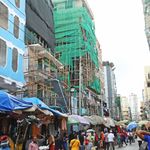
Construction sites in Kariakoo, Dar es Salaam. Experts say laws governing construction, occupational safety and urban planning must be harmonised to ensure consistent enforcement. PHOTO | FILE
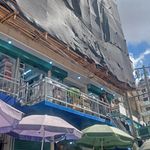
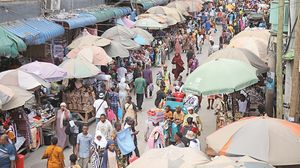
Dar es Salaam. Legal and construction experts have warned that negligence in building works remains a legal offence even in the absence of a single, explicit law governing every stage of construction, as concerns grow over the use of unfinished buildings in Kariakoo, Dar es Salaam’s major commercial hub.
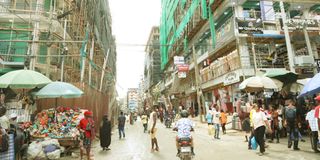
This follows earlier reporting on the continued use of incomplete structures for business activities while construction continues above, raising serious safety concerns.
The article series highlighted recurring accidents and fire incidents, weak enforcement of safety regulations and institutional overlap among agencies responsible for building supervision.
It also exposed complaints from local leaders over limited enforcement powers and gaps in coordination among regulatory bodies.
The President of the Tanganyika Law Society (TLS), Boniface Mwabukusi, said legal responsibility exists under established principles of law, even where specific construction statutes do not directly address every situation.
He said building projects must undergo inspection and certification at various stages before being put into use.
“Building permits and certificates are not issued arbitrarily. They are granted after inspections confirm compliance with safety standards,” he said.
Mr Mwabukusi cited the principle of occupiers’ liability, drawn from English common law and applicable within Tanzania’s legal system, which places a duty on property owners to ensure the safety of anyone using or passing near their premises.
“If you allow me into your premises and I suffer injury due to negligence, you are legally liable for compensation,” he said.
He questioned why visibly unsafe structures in Kariakoo continue to be used. “Why are people still allowed to trade or move under clearly unsafe structures?” he asked.
Local leaders have called for structural reforms in enforcement.
Kariakoo Magharibi Ward Chairperson Said Omary said there is need for a dedicated construction authority with full legal powers to oversee building activities.
He said ward leaders should be empowered beyond administrative roles to include inspection and enforcement functions. Ilala Fire and Rescue Service Assistant Commissioner, Peter Mabusi, said continued incidents in Kariakoo point to weak coordination among regulatory frameworks.
He said laws governing construction, occupational safety and urban planning must be harmonised to ensure consistent enforcement.
Mwabukusi added that legal obligations do not always depend on explicit statutory wording, particularly where public safety is at risk, stressing the importance of institutional accountability.
Urban planning expert Diana Mkongole said authorities should conduct comprehensive inspections of all unfinished buildings currently in use and ensure compliance with safety standards.
She proposed a phased approach allowing partial use of buildings based on financial capacity, provided safety requirements are met.
Dar es Salaam City Engineer, Isack Mtega said the city has introduc,ed a Partial Certificate of Occupation to allow limited use of buildings under strict safety conditions.
He said construction may also be scheduled at night or during weekends to reduce disruption and risk to the public.
However, he warned that any breach of conditions results in immediate suspension of works and revocation of permits.
Mtega added that proposals for a dedicated law to regulate building safety and reduce institutional overlap have been submitted for consideration.
The debate continues to highlight growing concern over enforcement gaps in urban construction and the risks posed to public safety in fast-growing commercial areas.
Register to begin your journey to our premium contentSubscribe for full access to premium content