Commission probing Oct 29 poll violence to submit report on April 23

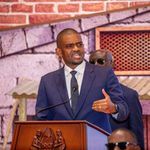
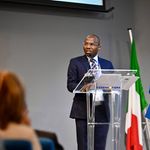
 Retired Chief Justice Chande Othman. PHOTO | COURTESY

Dar es Salaam. The Commission of Inquiry investigating violent incidents linked to the October 29 elections is expected to submit its final report to President Samia Suluhu Hassan on April 23, 2026.

Commission chairperson, Chief Justice (Rtd) Chande Othman, said on Tuesday, April 21, 2026 in Dar es Salaam that the team is in the final stages of completing its work, including translating the report into English before formal submission.
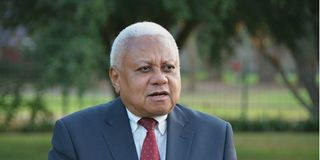
“Our main responsibility has been to collect evidence and the commission goes wherever the evidence leads,” he said.

The commission was established on November 18 last year by President Samia Suluhu Hassan to investigate protests and violence before and after the elections, which resulted in deaths and destruction of property.

Justice Chande said the commission gathered information from 63,603 people across 21 districts in 11 regions through various methods.

He said 553 people provided sworn written statements, while 1,323 testified in person during both private and public hearings. A further 4,891 submitted responses through anonymous questionnaires, and 1,317 participated in public meetings.

He said that 56,445 people submitted testimonies via SMS, while 3,505 experts from different fields provided technical input.

“We received an overwhelming amount of evidence,” he said, noting that sworn testimony formed a significant part of the material collected.

He said such evidence carries legal weight, although the commission’s role is not to assign criminal or civil liability.

“We are not here to accuse anyone. Our task is to establish what happened, how it happened, and its impact,” he said.

Justice Chande said more than 320 related cases have been reported to police, including allegations of arson and theft, but these remain under law enforcement jurisdiction.

He explained that anonymous questionnaires were used to allow people who feared identification to share their experiences.

“This allowed people to speak freely about causes and impacts without revealing their identities,” he said.

The commission also engaged specialists, including pathologists, ballistics experts, economists and psychologists, to analyse various aspects of the violence, including deaths, firearms use, economic losses and psychological impact.

Justice Chande said hospital workers in some areas reportedly worked for up to 72 hours continuously during the unrest, highlighting the strain on health services.

Digital and geospatial experts were also used to verify video and satellite imagery submitted as evidence.

On witness safety, he said fewer than five individuals requested protection under legal procedures, while others declined to appear due to family pressure or misinformation.

The commission’s report will outline findings and recommendations on the causes, impact and consequences of the violence.

“We aim to explain what happened and what should be done moving forward,” he said.

He added that the report will be prepared in both Swahili and English due to its national and international significance.

Following submission, President Hassan will decide on implementation of the recommendations.

Justice Chande also said the commission expects the report to be made public to ensure transparency and allow citizens to understand the events.

“It is important for the country to document its history clearly so future generations understand what happened,” he said.