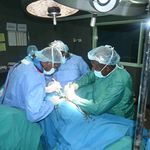
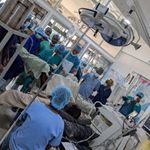
Mwanza. Patients undergoing surgery in Tanzania could soon spend less time in hospital, experience less pain and recover faster as healthcare providers increasingly adopt minimally invasive surgical techniques.
The procedure, known as laparoscopic surgery, enables doctors to perform operations through small incisions using specialised cameras and instruments, replacing traditional methods that often require large cuts.
Surgeons say the technology is transforming patient care by reducing pain, lowering the risk of infection and shortening recovery periods.
Speaking during the 31st Scientific Conference of the Tanzania Surgeons Association (TSA) in Mwanza on Thursday, the association’s president, Dr Olivia Kimario, said advances in surgical technology were improving outcomes for patients.
“New equipment is being developed every day, making surgery easier and more successful while reducing pain and recovery time,” she said.
Dr Kimario said conventional surgery often required incisions measuring between 10 and 20 centimetres or more, depending on the procedure, resulting in prolonged recovery and lengthy hospital stays.
Today, however, surgeons can perform major operations through incisions measuring as little as 0.5 to 3 centimetres using camera-guided technology.
She said the shift means some patients can now be discharged on the same day as their operation.
“Tanzanians should expect a future where a patient can undergo surgery in the morning and return home in the evening.
This will reduce the need for patients to spend days or even weeks in hospital, while also lowering the level of pain experienced after surgery,” said Dr Kimario.
Orthopaedic surgeon Dr Taha Karimjee of Paragon Medical Centre said minimally invasive procedures have significantly reduced recovery times.
“We can now perform major operations through openings of just two or three centimetres. Previously, surgeons had to make large incisions, which meant patients needed much longer to recover,” he said.
According to Dr Karimjee, patients who previously required several days before they could stand are now often able to do so within hours of surgery.
“A patient can stand and even start walking once the effects of anaesthesia have worn off. In the past, many patients felt weak for days after surgery and remained confined to bed. Now, some are able to return home the same day,” he said.
Opening the conference, Mwanza Regional Commissioner Said Mtanda said the government supports the adoption of modern medical technologies to improve healthcare services.
He said continued investment in health infrastructure and innovation would help improve the quality, affordability and accessibility of healthcare.
“The government will continue investing in modern infrastructure and promoting the use of emerging technologies to ensure healthcare services become more effective and accessible to all citizens,” he said.
Mr Mtanda noted that strengthening surgical services is critical to achieving universal health coverage and called for greater collaboration between the government, healthcare professionals and development partners.
“We recognise the challenges facing the sector, including infrastructure, professional standards and costs.
However, through strong cooperation, we can address them and improve healthcare delivery,” he said.
Residents welcomed the development, saying it could reduce treatment costs and help patients resume their daily activities sooner.
“If someone can have surgery and return home on the same day, it will be a great benefit, especially for women balancing family responsibilities and income-generating activities,” said Mwanza resident Juliana Faustine.
Another resident, Rutta Musa, said shorter hospital stays would reduce both costs and anxiety among patients.
“Many people fear surgery because of the pain and long recovery period. This technology could encourage more people to seek treatment early,” she said.