Iringa. Prime Minister Dr Mwigulu Nchemba is expected to begin a two-day working visit to Iringa Region tomorrow, where he will inspect the implementation of development projects valued at more than Sh102.7 billion.
The projects include the construction of the seven-kilometre Iringa Bypass, valued at Sh41.6 billion and the 30-kilometre Ipogolo–Kilolo Road, being built at a cost of Sh61.1 billion.
Speaking to journalists in Iringa Municipality, Iringa Regional Commissioner Kheri James said the Prime Minister’s visit, scheduled for May 23–24, 2026, aims to assess progress on several strategic government projects being implemented across the region.
Among the key projects to be reviewed is the Iringa Bypass, which links the Igumbilo Main Bus Terminal area with Kihesa Kilolo on the route to Dodoma.
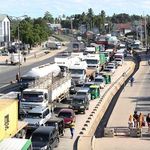
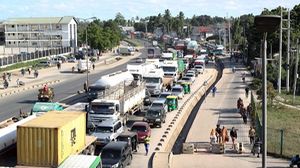
The road is expected to provide a long-term solution to traffic congestion caused by heavy vehicles passing through the centre of Iringa Municipality.
“The Iringa Bypass is a strategic project because it will significantly reduce congestion caused by heavy vehicles travelling through the municipality.
Likewise, the Ipogolo–Kilolo Road is a vital commercial and economic link between Iringa and Kilolo districts,” Mr James said.
In addition to inspecting the projects, the Prime Minister is expected to engage with residents and provide updates on various development initiatives being implemented by the government in Iringa Region.
According to the Regional Commissioner, Dr Nchemba will address a public rally at Kichangani Grounds in Iringa Municipality before proceeding to Kilolo District, where he will meet residents at the Kilolo Bus Stand.
“We encourage residents, public servants and other stakeholders to turn out in large numbers to participate in this visit and hear first-hand information about the implementation of development projects that are benefiting the people,” he said.
Several residents interviewed in Iringa expressed optimism over the completion of the Iringa Bypass, saying it would help eliminate traffic jams caused by heavy vehicles and improve traffic flow within the municipality.
“The bypass will be a major relief for Iringa residents. When lorries break down on Ipogolo Hill, they often cause severe congestion. This four-lane road will ease movement, reduce traffic and create more economic opportunities,” said one resident.
Residents further noted that completion of the projects would stimulate business growth, facilitate the transportation of goods and strengthen connectivity between Iringa, Kilolo and other parts of the country.
The seven-kilometre Iringa Bypass forms part of the government’s strategy, through the Tanzania National Roads Agency (Tanroads), to improve the transport network in the Southern Highlands.
The project is designed to divert heavy freight traffic travelling to and from Mbeya, Njombe, Songwe and Ruvuma regions away from the centre of Iringa town.
Once completed, the bypass is expected to reduce travel time, enhance road safety, minimise wear and tear on urban infrastructure, and encourage investment and commercial activity in areas surrounding the municipality.
The Ipogolo–Kilolo Road also serves as a key transport corridor linking Iringa Municipality and Kilolo District, a major producer of agricultural commodities including maize, potatoes, timber and avocados.
For many years, sections of the road have remained in poor condition, particularly during the rainy season, increasing transport costs and affecting the delivery of social and economic services.
Upgrading the road to tarmac standard is expected to improve the movement of agricultural produce, enhance access to health and education services, and create greater opportunities for trade and investment for residents of Kilolo District and the wider Iringa Region.
Together, the Iringa Bypass and Ipogolo–Kilolo Road projects form part of the government’s broader strategy to strengthen transport infrastructure, reduce urban traffic congestion, facilitate the movement of goods and agricultural produce, and support economic growth in Iringa Region and neighbouring areas.