Polygamist in Dodoma marries son’s ex-wife after her parents fail to refund dowry

Dodoma. An 86-year-old resident of Mbisi Hamlet in Bahi District's Chipanga Division, Mr Klarensi Usakazi, has married his son’s former wife, Mary, 20, reportedly after her parents failed to refund the dowry.

The octogenarian polygamist claims the union prevents the loss of his initial customary investment.
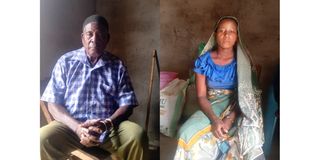
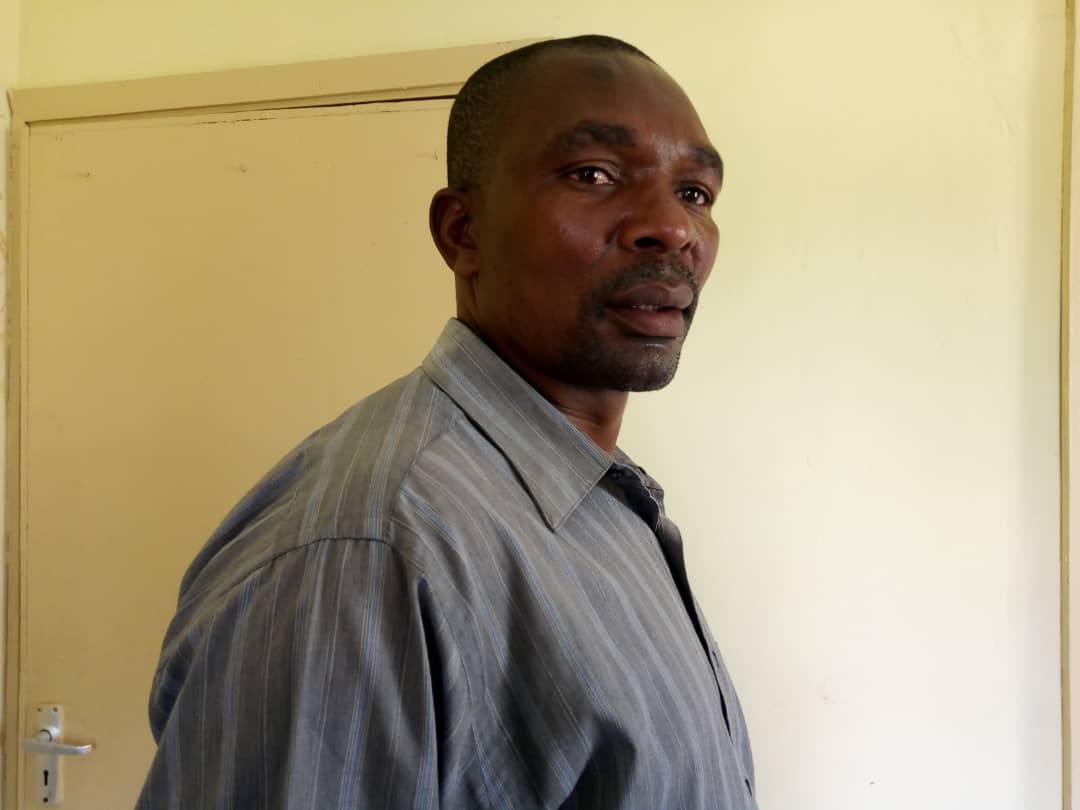
Ms Mary becomes Mr Usakazi’s eighth wife, joining three siblings from another family, including a set of triplets, whom he wedded due to their household’s highly regarded traditional behaviour and values.

In some Dodoma communities, elderly men marry young women under a custom called Chikombipilo, where a youthful bride is brought in specifically to care for an ageing husband who can no longer perform strenuous tasks.

The marriage dynamic

The wealthy pastoralist, who owns vast herds across the region, married Mary Chaina on January 25, 2024, following the collapse of her brief marriage to his son, Fredrick.

“She was indeed Fredrick's wife for a year before their marital disputes began. I intervened to marry her so my son could find a compatible partner, which he has done. I had already paid the dowry anyway,” stated Mr Usakazi.

Speaking from his homestead, the patriarch admitted he barely knew Mary previously, having only met her when accompanying his son to settle the marriage transactions.

But living within the same compound allowed him to observe her good conduct, concluding that Fredrick was entirely to blame for the collapse of the young couple's short-lived union.

“I could not let her return home after paying five cattle, 10 goats, and Sh400,000. When I proposed, she consented, so she became my eighth wife,” said Mr Usakazi, defending his decision to absorb her.

He maintained he would allow Fredrick to reclaim Mary in future, on condition that the son compensates him fully for the livestock and cash spent securing the bride originally.

“She is legally my wife now. We share a normal marriage; she follows the cooking roster alongside her co-wives, and I visit her room on designated days,” he added.

“Should my son demand her return, I will not fight him. However, he must reimburse my total expenses so he can have two wives. He must fully repay every cow, goat, and shilling,” he added.

Large polygamous household

The elder's complex domestic set-up extends further; his eight wives include three sisters from a single household, an arrangement he pursued after being impressed by that particular family’s outstanding public reputation.

The pastoralist has fathered 48 children, 30 sons and 18 daughters. He maintains that marrying multiple sisters ensures domestic harmony, provided the source family possesses an unblemished lineage.

Son in custody

Meanwhile, Fredrick remains in remand custody facing charges of plotting a violent machete assault against his elder brother over family cattle.

Local speculation suggests Mr Usakazi engineered his son's arrest to prevent him from interfering with the new marriage or attempting to win Mary back.

“Those rumours are entirely baseless. I did not jail him. His ex-wife resides here comfortably under my care, and I even funded his own two-room house on my property,” Mr Usakazi countered.

“He remains my child; I would never maliciously incarcerate him. He was detained solely because he allegedly conspired to hack his brother, leaving the police to take appropriate action,” he added.

Mary's perspective

A bashful Mary stated: “I accepted the patriarch's proposal to secure financial maintenance and shelter. Fredrick mistreated me constantly, whereas my new husband provides total stability.”

Dismissing concerns over their substantial age gap, she asserted that at 20, she is mature enough to choose her partner, describing the octogenarian as her preferred spouse for the future.

“Fredrick abandoned me first. Had he shown commitment, I would have stayed because of my deep affection. Today we are simply friends without animosity,” she noted.

She expressed willingness to reunite with Fredrick eventually, provided he formally negotiates terms with his father to settle the dowry issue amicably and prevent any lingering domestic friction.

Another wife, Ms Winifrida Chilongozi, confirmed that her former daughter-in-law is now her co-wife, explaining that they seamlessly share domestic duties and rotationally attend to their husband.

Father's consent

Her father, Mr Chaina Masingwe, clarified that dowry retention was not the primary driver.

He sanctioned the union because his daughter freely consented to the arrangement, prompting his parental blessings.

“Mary dropped out in Standard Three. She was initially wedded to Fredrick. When their constant disputes escalated, Mr Usakazi stepped forward and offered to take her into his own household,” Mr Masingwe explained.

“When consulted, my daughter readily agreed. What alternative did I have, considering I had already consumed the family’s substantial traditional dowry?” the father asked.

Condemnation

Dodoma Regional Sheikh Alhaji Mustafa Rajab condemned the union as completely unacceptable, stating it projects a highly retrogressive societal image.

Alhaji Mustafa, who heads the regional Interfaith Council of Religious Leaders, argued that the incident underscores severe educational deficiencies within the household, urging targeted community sensitisation campaigns to empower rural families.

“We must reject this practice vigorously. It reflects poorly on our society. The family clearly requires comprehensive educational outreach and civic guidance,” he added.

Gender activist, Ms Janeth Makini, denounced the arrangement as highly oppressive, claiming the father’s economic vulnerability was weaponised to exploit the young woman.

“This violates her fundamental dignity and constitutes clear sexual exploitation. She is being treated as chattel. The young woman remains trapped in cultural bondage and urgently requires external intervention to secure her freedom,” stated Ms Makini.

Gogo traditional leader Chief Lazaro Chihoma strongly refuted the existence of such customs, describing the union as a domestic curse.

“This borders on incestuous behaviour. Under strict Gogo traditions, this elder should be formally summoned by the elders, heavily fined, severely reprimanded, and strictly ordered to separate from the woman immediately,” the chief declared.

An anonymous local leader described Mr Usakazi as an isolationist who frequently flaunted his immense pastoral wealth, even though several of his mature sons actively participate in local development projects.

He added that the patriarch runs an autocratic estate without external consultation, noting that villagers generally avoid his expansive, heavily fortified compound out of sheer intimidation regarding his wealth.