Prosecution completes testimony, backs evidence in Lissu treason trial

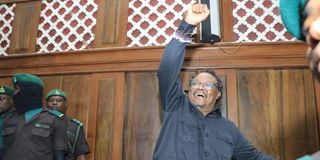
Dar es Salaam. The prosecution has closed its case in the treason trial facing Chadema national chairman Tundu Lissu after calling 17 of the 30 witnesses it had listed.

The prosecution closed its case on Monday, August 17, 2026, after telling the High Court that the evidence presented was sufficient to establish its case.

Mr Lissu faces one count of treason under Section 39(2)(d) of the Penal Code, arising from remarks he allegedly made in connection with efforts to prevent the 2025 General Election from taking place.

The prosecution alleges that on April 3, 2025, in Dar es Salaam, Mr Lissu, a Tanzanian citizen, incited the public to prevent the 2025 General Election by making and publishing remarks aimed at pressuring Tanzania’s top government leader.

The prosecution cited remarks in which Mr Lissu allegedly said: “If they say this position amounts to rebellion, it is true... because we say we will stop the election, we will mobilise rebellion, that is how to bring change... so we are going to make trouble... especially, we are really going to disrupt this election...”

The case is being heard at the High Court’s Dar es Salaam Registry before a three-judge panel led by Judge Dunstan Ndunguru, with Judge James Karayemaha and Judge Ferdinand Kiwonde.

When the case came up for hearing on Monday, State Attorney Ajuaye Nzegeli told the court that after reviewing the evidence presented and considering the remaining witnesses, the prosecution had concluded that the evidence was sufficient.

“We therefore wish to inform this honourable court that the prosecution is closing its case after calling 17 witnesses,” said Mr Nzegeli.

With the prosecution having closed its case, the trial has entered its second stage, in which both sides make submissions on whether the evidence presented establishes a case for the accused to answer.

Mr Lissu has now begun making submissions seeking to persuade the court that the prosecution has failed to establish a case requiring him to defend himself.

The prosecution will then respond, arguing that it has established a sufficient case to require Mr Lissu to enter his defence before the court delivers its judgment.