Dar es Salaam. More than 20 patients have undergone bariatric treatment at Shifaa Pan African Hospitals Limited during a specialised medical camp targeting obesity and related non-communicable diseases, as health experts warn of growing lifestyle-related health challenges in Tanzania.
The bariatric care camp, running from May 11 to 21, 2026, is offering minimally invasive weight-loss procedures through laparoscopic, or keyhole, surgery aimed at helping patients manage obesity-linked conditions such as diabetes, high blood pressure, heart disease and sleep apnea.
Doctors at the facility say the procedures are intended to improve long-term health outcomes rather than address cosmetic concerns.
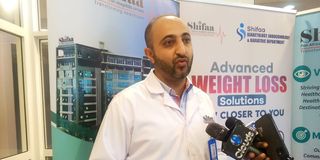
Consultant general surgeon Dr Murad Tarmohamed said many overweight patients struggle with severe health complications that also increase the risks associated with other surgical procedures.
“This surgery is not simply about appearance. It helps patients suffering from diabetes, high blood pressure, sleep apnea and excessive weight,” said Dr Tarmohamed.
He explained that bariatric surgery often improves patients’ overall health condition, making it easier to manage chronic illnesses and reducing complications linked to obesity.
According to him, the procedures are being conducted using laparoscopic technology, which involves small incisions and allows patients to recover faster because the surgery is minimally invasive.
“This is the third bariatric camp organised by the hospital, and by the third day of the programme, two patients had already undergone successful keyhole surgery procedures,” he said.
Dr Tarmohamed noted that patient recovery times differ, although many experience significant improvements in blood sugar control, mobility and general health after surgery.
Shifaa Pan African Hospitals investor Bashir Harun said the hospital had invested in specialist bariatric services to reduce the need for Tanzanians to seek advanced obesity treatment abroad.
“Obesity and non-communicable diseases are affecting both the world and Tanzania, and the public should pay attention to the growing challenge of obesity,” he said.
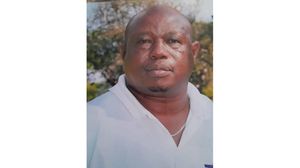
Mr Harun revealed that his own personal experience with obesity partly motivated the hospital’s decision to introduce specialist bariatric care.
“I once weighed 140 kilogrammes, and the condition seriously affected my health. That experience motivated us to bring in specialist doctors and invest in these services,” he said.
He said the hospital has now conducted three bariatric camps and treated more than 20 patients through the programme.
Mr Harun added that the facility had also established dedicated departments for diabetology, endocrinology and bariatric care to strengthen treatment for patients living with obesity-related illnesses.
One of the beneficiaries, Mr Himyar Hassan, said the surgery had transformed his life after years of struggling with obesity and high blood pressure.
“I used to feel very heavy and suffered from high blood pressure. I weighed 148 kilogrammes and even exercising did not help me lose weight,” he said.
Mr Hassan, who underwent bariatric surgery in November last year, said his health had improved significantly since the procedure.