Tanzania arms headteachers to shield students from non-communicable diseases
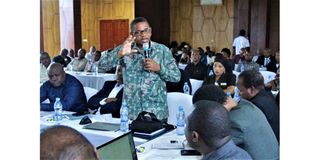
Assistant Director for Non-Communicable Diseases in the Ministry of Health, Dr Omary Ubuguyu, speaks during a capacity-building workshop for primary and secondary school headteacher representatives from across the country on combating non-communicable diseases in schools, held in Morogoro Region on Monday, August 24, 2026. PHOTO | JUMA MTANDA
Morogoro. The government has urged primary and secondary school headteachers to take a leading role in combating non-communicable diseases (NCDs), stating that school environments can cultivate a generation shielded from such health conditions from early childhood.
The Ministry of Health’s assistant director for NCDs, Dr Omary Ubuguyu, made the call on Monday, August 24, 2026, here.
He was speaking during a regional capacity-building workshop for headteachers on NCD prevention in schools.
Dr Ubuguyu stated that the education sector remains a pivotal partner given the vast student population nationwide, enabling the government to deliver preventive health education to millions through teachers.
“Reaching young people through headteachers and staff allows us to address this challenge at scale. Educated youths will build a healthier, more resilient nation,” he said.
He noted that schools must foster supportive environments for children with chronic illnesses, ensuring their education continues uninterrupted despite frequent health-related absenteeism.
Key measures outlined include promoting physical education, banning tobacco sales around school grounds, and limiting access to foods and beverages high in sugar, fat, and salt.
Dr Ubuguyu observed that NCD risks affect adults and pupils alike, citing alcohol abuse, tobacco use, physical inactivity, and poor diets as primary drivers.
A member of the Tanzania Primary School Headteachers Association secretariat, Mr Mark Massangya, contributes during the workshop in Morogoro Region on Monday, August 24, 2026. PHOTO | JUMA MTANDA
He specified that NCDs encompass diabetes, cancer, cardiovascular conditions, chronic respiratory illnesses, mental health disorders, and sickle cell disease.
He added that the government is intensifying cervical cancer prevention through public awareness, regular screening, and human papillomavirus (HPV) vaccination targeting nine-year-old girls.
Tanzania Primary School headteachers association chairperson, Ms Rehema Ramole, noted that the workshop equipped educators with vital skills to identify pupil health challenges, particularly mental health issues.
Ms Ramole explained that teachers learned to spot signs of emotional distress and the protocol for engaging parents before taking further action.
She emphasised that educators detect behavioural changes early due to the substantial time pupils spend under their care uniquely.
“Upon returning, we will cascade this training to teachers, parents, and pupils. When a child exhibits behavioural changes or distress, we will intervene constructively,” she said.
Ms Ramole stressed the importance of eliminating stigma and creating inclusive learning environments for pupils managing chronic conditions or special needs.
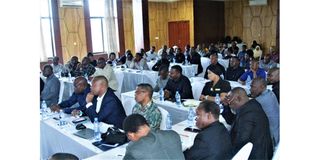
Participants attentively follow proceedings during the training workshop in Morogoro Region on Monday, August 24, 2026. PHOTO | JUMA MTANDA
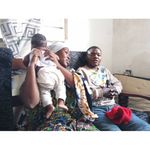
Morogoro resident, Ms Bahati Mbogo, whose child previously suffered from sickle cell disease, urged parents to replace sugary snacks with wholesome, natural foods.
Ms Mbogo recalled that her child at three months old was diagnosed, enduring frequent hospitalisations and missed lessons until undergoing a successful bone marrow transplant at Dodoma’s Benjamin Mkapa Hospital.
“Illness should not mark the end of a child’s educational journey. Parents must seek medical care promptly; our child recovered completely,” she said.
She cautioned that some teachers overly focus on academic metrics while overlooking health-related absenteeism, appealing to school heads and educational officers to support pupils managing sickle cell disease, diabetes, and asthma.
The Tanzania NCD Alliance says preventing these conditions requires regular exercise, balanced nutrition, avoiding tobacco and illicit drugs, limiting alcohol intake, managing stress, obtaining adequate sleep, and undergoing routine health screenings.