Tanzania assures nation of adequate food stocks amid weather uncertainty
Prime Minister, Dr Mwigulu Nchemba
What you need to know:
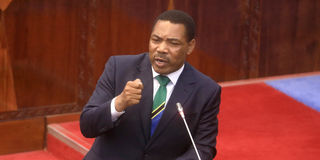
Prime Minister, Dr Mwigulu Nchemba, gave the assurance in Parliament on Thursday, January 29, 2026, saying Tanzania’s strategic grain reserves, coupled with close monitoring of production and distribution systems, have positioned the country well to withstand potential shocks and maintain food security.
By Katare Mbashiru
Dodoma. The government has reassured Tanzanians that the country holds adequate food reserves to meet national demand, easing fears that erratic weather could trigger an artificial shortage in the near future.
Prime Minister, Dr Mwigulu Nchemba, gave the assurance in Parliament on Thursday, January 29, 2026, saying Tanzania’s strategic grain reserves, coupled with close monitoring of production and distribution systems, have positioned the country well to withstand potential shocks and maintain food security.
Dr Nchemba was responding to a question from Special Seats Member of Parliament Nancy Nyalusi, who referred to a recent warning by the Tanzania Meteorological Agency (TMA) that rainfall patterns this year are unpredictable.
The lawmaker expressed concern that the situation could lead to reduced harvests and a sharp rise in food prices, particularly during the Holy Month of Ramadhan.
Ms Nyalusi asked the government to clarify its level of preparedness in terms of food reserves and the measures in place to curb inflation.
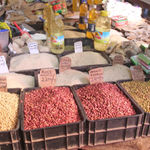
In his response, Dr Nchemba said there was no cause for alarm, “The country’s annual food demand stands at 150,000 tonnes. Currently, we have about 450,000 tonnes in reserve, meaning we are comfortably above our national requirements.”
Despite the meteorological alert, he urged farmers to adopt climate-smart agriculture by cultivating crops that are well-suited to prevailing weather conditions in their respective areas.
He also directed regional commissioners across the country to intensify public education campaigns aimed at encouraging farmers and households to manage their food stocks prudently and strengthen community-level food reserves.
At the same time, Dr Nchemba issued a stern warning to traders against exploiting the situation to hike prices.
“I want to caution businesspeople to refrain from doubling food prices, especially as our Muslim brothers and sisters approach the Holy Month of Ramadhan,” he told the House.
Earlier this month, the TMA released a 10-day forecast indicating varying rainfall patterns across different parts of the country, with some regions expected to experience thunderstorms while others receive lighter rainfall.
Climate experts note that shifts in weather patterns have become more pronounced in recent years, largely due to climate change, leading to increased uncertainty in rainfall distribution and intensity.
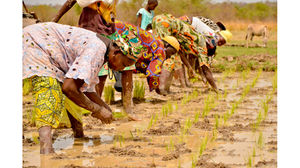
Agriculture remains the backbone of Tanzania’s economy, with about 65 percent of households depending on farming for their livelihoods, making reliable food production and effective reserve management critical to national stability.
The government says it will continue to monitor weather developments and take timely action to ensure all Tanzanians have access to affordable food year-round.