Dar es Salaam. The government has started reviewing public institutions that meet the requirements for listing on the Dar es Salaam Stock Exchange (DSE), with Tanzania Commercial Bank (TCB) nearing the end of preparations for the move.
The initiative is aimed at attracting more investment, increasing transparency and accountability, and giving Tanzanians and other investors an opportunity to participate in the ownership of state-owned institutions.
The move comes as non-tax revenue continues to rise, reaching Sh1.37 trillion in the 2025/26 financial year, up from Sh1.028 trillion recorded in the previous year.
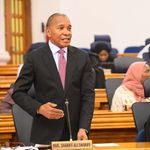
Acting Registrar of Treasury, Ms Lightnes Mauki said the government had assessed public corporations and institutions to identify those capable of being listed on the stock market in the short, medium and long term.
She was speaking at a meeting with editors from various media outlets organised by the Office of the Treasury Registrar ahead of the 2026 Chairpersons and Chief Executive Officers Forum (C-CEOs Forum).
“We divided our corporations into different groups and identified those that are ready in the short, medium and long term. TCB is currently in the short-term category, and what remains is for the government’s internal procedures to be completed before moving to the next stage,” said Ms Mauki.
She said the government would continue informing the public as other institutions reached advanced stages of the listing process, given the importance of involving citizens in such investments.
Listing on the DSE would also enable companies to raise capital to expand their operations while broadening public and investor participation in state-owned enterprises.
Increasing state ownership
Alongside preparations to list some public institutions, the government is increasing its stakes in companies it has identified as strategic.
Ms Mauki cited Nyanzaga, where the government has increased its ownership from 16 percent to 20 percent, and ICCL Inflight Catering Services, where its stake has risen from 29 percent to 40 percent.
She said the reforms were part of efforts to accelerate institutional and financial transformation aimed at increasing non-tax revenue, strengthening the financial sustainability of public institutions and ensuring government investments generate greater returns.
The government has set a target of collecting Sh2 trillion in non-tax revenue during the 2026/27 financial year, above the Sh1.79 trillion target assigned to the institution.
“The reforms are not only about revenue collection, but also about building institutions that can operate independently, work efficiently and add value to government assets and investments,” said Ms Mauki.
She said the implementation of the Budget Act 2025 had also increased the contribution required from non-commercial public institutions from 15 percent to 40 percent of gross revenue.
The measure is intended to increase revenue remitted to the government while requiring the institutions concerned to strengthen their financial capacity and improve the use of resources.
Digital systems
Ms Mauki said the reforms were being supported by digital systems, including the Public Institutions Management System (PIMS), which has been integrated with national platforms such as the Government e-Payment Gateway (GePG), the Government Human Resources and Payroll Management Information System (MUSE) and the Electronic Records Management System (ERMS).
She said the integration had enabled collection and management information to be accessed through a single system, making it easier to monitor revenue, improve efficiency and transparency, and reduce reliance on manual processes.
Director of Non-Commercial Organisations at the Office of the Treasury Registrar, Mr David Shambwe, said the focus was now on transforming government assets into productive investments that generate returns and measurable results, rather than merely owning and preserving them.
“The changes are becoming increasingly important as the value of government investments under the management of the Office of the Treasury Registrar continues to grow,” he said.
Official figures from the office show that the value of the investments increased from Sh67.73 trillion in 2020/21 to Sh92.28 trillion in 2024/25.
This represents a 37.7 percent increase over the five years, highlighting the growing scale of assets under government management and the push to make them more productive.
Register to begin your journey to our premium contentSubscribe for full access to premium content