However, the government said Tanzania was being governed in accordance with the laws, noting that those who have been arrested will be treated according to the laws of the country.
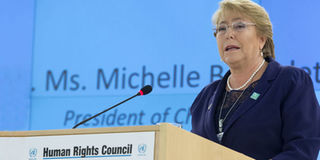
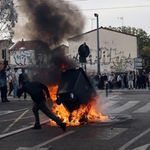
Dar es Salaam.Dar es Salaam. UN High Commissioner for Human Rights Michelle Bachelet said yesterday that she was disturbed by reports of continued intimidation and harassment of opposition leaders and members in Tanzania in the aftermath of the October 28 polls. However, the government said Tanzania was being governed in accordance with the laws, noting that those who have been arrested will be treated according to the laws of the country. The Permanent Secretary at the ministry of Constitutional and Legal Affairs, Prof Sifuni Mchome, yesterday told The Citizen’s sister paper, Mwananchi, that the ministry has not received an official letter from the international human rights agency regarding the aforementioned reports. “What we know is that there are people who have been arrested after they were suspected of committing certain offences. And it is legally acceptable to arrest someone for interrogation and then those who are found innocent are released,” replied Prof Mchome over the phone. He said Tanzania, being a democratic country, has its own principles to handle elections in the same way as other countries like the US were also handling theirs. But, according to Ms Bachelet, there are reports that at least 150 opposition leaders and members have been arrested since 27 October in the Mainland Tanzania and in Zanzibar. While most have been subsequently released, at least 18 reportedly remain in custody,” she wrote in her statement. Ms Bachelet called on the authorities to ensure people are able to express their grievances without fear of reprisals. “The tense situation in the country will not be defused by silencing those who challenge the outcome of the elections, but rather through a participatory dialogue,” She said. “I urge the Tanzanian authorities to respect and facilitate exercise of the rights to freedom of expression and of peaceful assembly.” On 31 October 2020, police officials stated that the individuals arrested were planning violent protests and warned publicly that they would not allow protests to go ahead, citing alleged plans to cause chaos, and they threatened to use force and detain anyone taking part in demonstrations. In line with this, the UN High Commissioner called for the immediate release of those detained for exercising their human rights. She called on the government to ensure that security forces and law enforcement officials act according to the rule of law and human rights norms and standards. Under international law, there is a presumption in favour of considering assemblies to be peaceful, Ms Bachelet further stressed. These developments follow reported pre-election intimidation and harassment of civil society organisations and journalists as well as allegations of police brutality against opposition members and supporters on the day of the election, wrote the high commissioner in her statement. Ms Bachelet called for prompt, thorough, independent and impartial investigations into all allegations of human rights violations before, during and after the polls – particularly into the killing of at least 10 people and the injuries sustained by over 50 others in Zanzibar on 26 October. The High Commissioner also expressed concern at internet restrictions, including the blocking of many social media and messaging platforms, and the censoring of election-related content. “Free flow of information is critical to any democratic society, and especially so in an electoral context,” the High Commissioner said, adding that any restrictions on information and communication technology must be in line with international human rights laws and standards. However, the government said Tanzania was being governed in accordance with the laws, noting that those who have been arrested will be treated according to the laws of the country. The Permanent Secretary at the ministry of Constitutional and Legal Affairs, Prof Sifuni Mchome, yesterday told The Citizen’s sister paper, Mwananchi, that the ministry has not received an official letter from the international human rights agency regarding the aforementioned reports. “What we know is that there are people who have been arrested after they were suspected of committing certain offences. And it is legally acceptable to arrest someone for interrogation and then those who are found innocent are released,” replied Prof Mchome over the phone. He said Tanzania, being a democratic country, has its own principles to handle elections in the same way as other countries like the US were also handling theirs. But, according to Ms Bachelet, there are reports that at least 150 opposition leaders and members have been arrested since 27 October in the Mainland Tanzania and in Zanzibar. While most have been subsequently released, at least 18 reportedly remain in custody,” she wrote in her statement. Ms Bachelet called on the authorities to ensure people are able to express their grievances without fear of reprisals. “The tense situation in the country will not be defused by silencing those who challenge the outcome of the elections, but rather through a participatory dialogue,” She said. “I urge the Tanzanian authorities to respect and facilitate exercise of the rights to freedom of expression and of peaceful assembly.” On 31 October 2020, police officials stated that the individuals arrested were planning violent protests and warned publicly that they would not allow protests to go ahead, citing alleged plans to cause chaos, and they threatened to use force and detain anyone taking part in demonstrations. In line with this, the UN High Commissioner called for the immediate release of those detained for exercising their human rights. She called on the government to ensure that security forces and law enforcement officials act according to the rule of law and human rights norms and standards. Under international law, there is a presumption in favour of considering assemblies to be peaceful, Ms Bachelet further stressed. These developments follow reported pre-election intimidation and harassment of civil society organisations and journalists as well as allegations of police brutality against opposition members and supporters on the day of the election, wrote the high commissioner in her statement. Ms Bachelet called for prompt, thorough, independent and impartial investigations into all allegations of human rights violations before, during and after the polls – particularly into the killing of at least 10 people and the injuries sustained by over 50 others in Zanzibar on 26 October. The High Commissioner also expressed concern at internet restrictions, including the blocking of many social media and messaging platforms, and the censoring of election-related content. “Free flow of information is critical to any democratic society, and especially so in an electoral context,” the High Commissioner said, adding that any restrictions on information and communication technology must be in line with international human rights laws and standards.