Dar es Salaam. Health experts in Tanzania are being called upon to spearhead action against the growing threat of antimicrobial resistance (AMR), which continues to undermine the effectiveness of life-saving medicines worldwide.
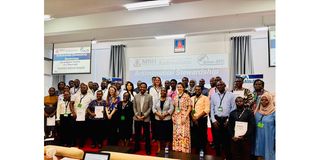
The three-day Antimicrobial Stewardship Masterclass (ASM) was recently held at Muhimbili National Hospital in Dar es Salaam under the guidance of the Radboud University Medical Center Centre for Infectious Diseases.
The seminar brought together doctors, nurses, and laboratory specialists from regional hospitals across Tanzania to enhance skills in combating AMR through improved stewardship practices.
Globally, AMR is one of the most serious public health threats of the 21st century, responsible for an estimated 1.27 million deaths annually, with nearly 5 million deaths linked to drug-resistant infections, according to the World Health Organization (WHO).
Misuse and overuse of antibiotics in humans, animals, and agriculture, coupled with weak infection prevention, are major drivers. Without urgent intervention, projections suggest AMR could cause up to 10 million deaths per year by 2050, surpassing mortality from cancer.
Africa faces particularly severe challenges due to limited healthcare infrastructure, insufficient diagnostic capacity, and difficulties regulating medicine use. Tanzania has seen rising levels of resistance in common infections, including urinary tract, respiratory, and bloodstream infections.
The Government of Tanzania, in collaboration with stakeholders, has developed a National Action Plan on Antimicrobial Resistance, though challenges remain in knowledge, diagnostics, and adherence to treatment guidelines.
Director of Medical Services at Muhimbili National Hospital, Dr. Faraja Chiwanga, highlighted the crucial role of healthcare professionals in translating knowledge into action. She urged participants to apply the training to improve service delivery and protect public health.
“Antimicrobial resistance is a major threat to community health, requiring collective efforts from all stakeholders,” Dr Chiwanga stated. “Proper use of medicines, continuous professional education, and public awareness are essential to reduce the spread and impact of drug-resistant infections.”
Dr Chiwanga added that the ASM seminar “represents a timely and strategic intervention in Tanzania’s fight against AMR. By linking global data with regional realities, targeted training and collaboration among healthcare professionals can drive meaningful change.”
Participants reported significant benefits. Dr Zalha Nuhu from Tanga Regional Referral Hospital said the seminar strengthened her understanding of rational antibiotic use and the importance of multidisciplinary collaboration between clinicians, nurses, and laboratory staff.
“Upon returning to my workplace, I will share this knowledge with colleagues and advocate for antimicrobial stewardship programs at facility level,” she said.
Similarly, Benjamin Nyabubwe from Tumbi Referral Hospital noted that the masterclass clarified gaps in understanding proper antibiotic use. He highlighted the importance of guiding treatment decisions with laboratory results rather than assumptions, improving patient outcomes and slowing drug-resistant infections.
The ASM Masterclass at Muhimbili National Hospital underscores the urgent need for collective action. By equipping healthcare professionals with knowledge and practical skills, Tanzania can strengthen the rational use of medicines and healthcare systems, while safeguarding public health against the rising threat of AMR.
Sustained commitment, collaboration, and continuous education are vital to ensure effective treatments remain available for future generations.