Dar es Salaam. Tanzania has significantly expanded its capacity to prevent mother-to-child transmission of HIV, helping avert approximately 13,000 preventable child deaths in 2025 compared to 7,200 in 2010.
The figures are contained in the 2025 Annual Report of the National AIDS, Sexually Transmitted Infections and Hepatitis Control Programme (NASHCoP), recently published by the Ministry of Health.
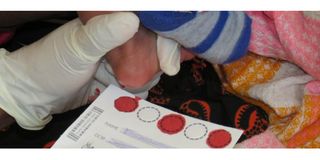
According to the report, steady progress over the past 15 years in preventing mother-to-child HIV transmission (PMTCT) has contributed to preventing 81 percent of potential infant deaths.
The ministry credited these achievements to the nationwide strengthening of PMTCT services, wider access to antiretroviral therapy (ART), and ensuring that pregnant and breastfeeding women living with HIV initiate treatment early and adhere to their medication regimens.
Consequently, the HIV transmission rate among infants up to 18 months of age declined from 11 percent in 2021 to 6.9 percent in 2025, reflecting enhanced health interventions designed to protect children from vertical transmission.
Enhanced monitoring
Commenting on the statistics, a medical doctor who treated the country's first diagnosed HIV patient, Dr Callixte Twagirayezu, said the trends demonstrate that Tanzania is on track to foster an HIV-free generation despite parental infection statuses.
"Overall infections will continue to drop due to consistent medication use and close service monitoring for those living with HIV," said Dr Twagirayezu, adding that long-term national planning must also account for demographic growth and resource management.
National Council of People Living with HIV in Tanzania (Nacopha) Projects Manager, Ms Catherine Madebe, highlighted that continuous testing throughout pregnancy and post-delivery remains a cornerstone of the improved strategy.
Previously, pregnant women were tested for HIV only once during their initial antenatal visit, leaving late-pregnancy or postpartum infections undetected and putting infants at risk during breastfeeding.
"A mother might test negative at her initial clinic visit but contract the virus later during pregnancy or breastfeeding. Continuous screening across all maternal stages allows us to identify infections early and protect the child," explained Ms Madebe, adding that community-based monitoring has enabled health stakeholders to adapt interventions to emerging challenges.
Global targets
EngenderHealth Tanzania Country Director, Dr Moke Magoma, said the data underscores Tanzania's alignment with international goals to eliminate new HIV infections.
"These findings reflect major strides in curbing mother-to-child transmission and move us closer to reaching global HIV control targets," said Dr Magoma.
According to the Tanzania HIV Impact Survey (THIS 2022/23), 82.7 percent of adults living with HIV in the country are aware of their status, 97.9 percent of those diagnosed are receiving ART, and 94.3 percent of individuals on treatment have achieved viral suppression.
Health officials noted that these metrics confirm Tanzania remains well-positioned to meet international benchmarks to end AIDS as a public health threat by 2030.
Register to begin your journey to our premium contentSubscribe for full access to premium content