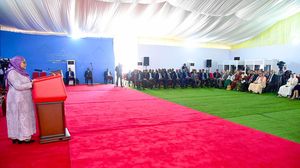
The push is part of campaigns for the 16 days of activism against gender-based violence (GBV) launched yesterday at the Julius Nyerere International Convention Centre (JNICC).
Dar es Salaam. Tanzanian women are pushing for the re-introduction of an independent candidate in the country’s electoral processes as an important tool to liberate them politically and end masculinity within political parties.
The push is part of campaigns for the 16 days of activism against gender-based violence (GBV) launched yesterday at the Julius Nyerere International Convention Centre (JNICC).
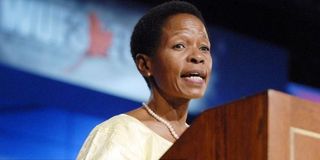
Speaking during the event, former Land, Housing and Human Settlement Development Prof Anna Tibaijuka said an independent candidate will set women free from patriarch-based nomination processes, affecting their effective and efficient participation in election processes.
She said patriarch-based processes within political parties have been helping men secure different political positions as opposed to females.
"Existing systems in the country’s political parties are not friendly for the women aspiring for political positions because it is men who are favoured during the nomination processes,” she said, noting that independent candidates would be a game for the women.
A lecturer from the Open University of Tanzania (OUT), Dr Victoria Lihiru, said she firmly believes that endorsement of independent candidacy in the Tanzanian political landscape will greatly benefit women and increase their chances of being elected as political leaders in various constituencies.
“One of the main barriers that women face in running for political office is the lack of support from established political parties,” she said.
She added that by allowing independent candidates, women will have more opportunities to present themselves as viable leaders and representatives, regardless of political parties’ affiliations.
She added that constitutional changes that promote gender equality and provide mechanisms for favourable action will also play a crucial role in increasing women's representation in political leadership.
On her part, Community Development, Gender, Women and Special Groups Minister Dorothy Gwajima revealed that much more has to be done to completely eradicate violence against women and girls in the country.
“We are working closely with law enforcement agencies, civil society organisations, and other stakeholders to strengthen legal and policy frameworks to better address and eradicate GBV,” she said.
She added: “Ending GBV is a top priority of the government. We will not rest until every person in Tanzania can live free from fear of violence and discrimination.”