Unregistered CCTV installation now legal offence in Tanzania

Dar es Salaam. If you have installed CCTV cameras at your home, institution, or business, there are critical rules you must follow to avoid breaching people’s privacy and facing legal consequences.

According to the Personal Data Protection Commission (PDPC), anyone installing security cameras at home—particularly at entry points such as gates where people frequently pass—must clearly display a notice informing the public that surveillance is in operation.
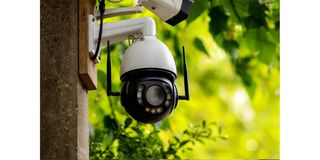

Additionally, cameras must be positioned strictly within owner’s premises. Capturing footage of neighbouring properties constitutes an invasion of privacy and may amount to a legal offence.

For public institutions, companies, and individuals who collect, process, or store personal data, registration with the PDPC is mandatory under the Personal Data Protection Act. Sections 14 and 21 of the law require all such entities to register through the official compliance and registration system.

Speaking to The Citizen on Tuesday, March 24, 2026, Director General of the PDPC, Mr Emmanuel Mkilia, emphasised that homeowners must notify the public of CCTV presence so individuals can take necessary precautions.

He explained that failure to display such notices amounts to unlawful intrusion into others’ privacy.

“People may visit places privately, only for their information to later appear without their consent. Your camera must capture your own space—not your neighbour’s,” he said.

The commission has warned that institutions found collecting personal data—such as banks—without proper registration will face legal penalties, including substantial fines and enforcement measures as stipulated by law.

Under Section 16 of the Cybercrimes Act of 2015, it is illegal to collect, record, or distribute personal data without consent. Offenders risk fines of up to Sh50 million, imprisonment of up to three years, or both.

Head of Public Relations and Communications at the PDPC, Innocent Mungy, reiterated the need for clear signage indicating the presence of CCTV systems.

He likened it to existing legal requirements: “If you keep a dangerous dog, you must display a warning sign. The same principle applies to CCTV—people must be aware of potential risks.”

He further clarified that cameras must never be installed in private spaces such as bathrooms, as this would be a direct violation of privacy rights and the law.

The PDPC has set a deadline of April 8, 2026 for all relevant entities to complete registration.

The use of CCTV must also respect the constitutional right to privacy under Article 16 of the 1977 Constitution of the United Republic of Tanzania, which guarantees personal dignity and protection from unwarranted surveillance.

Debate over practicality

Digital economy expert Francis Nyonzo noted that displaying CCTV notices is standard practice globally. However, he raised concerns about the practicality of enforcing registration and protecting passers-by.

He added that due to the close proximity of many residential buildings, avoiding capturing neighbouring spaces may prove difficult, suggesting that agreements between neighbours could help address such concerns.

Artificial Intelligence (AI) and cloud specialist Noel Henjewele described the regulations as a necessary step towards building a more accountable digital ecosystem in Tanzania.

“This will enhance control, prevent unnecessary surveillance, and promote transparency. Companies will think twice before leaking customer data due to fear of penalties,” he said.

Some citizens remain sceptical. One resident, Ritha Rafael, argued that publicly disclosing CCTV locations could aid criminals in evading or damaging surveillance systems.

Others, like Said Rashid, supported the move, saying cameras are intended for safety—not entrapment—and public awareness strengthens trust.