Arusha. The East African Community (EAC) is set to officially launch the Uganda Virus Research Institute (UVRI) as the EAC Regional Centre of Excellence in Virology on July 22, 2026.
This milestone, to be celebrated in Entebbe, Uganda, represents a transformative shift in how the region manages public health emergencies and pandemics.
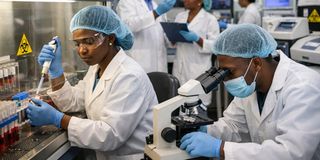
As the newly designated regional hub, UVRI is tasked with spearheading advanced virology research, providing specialised laboratory training, and conducting rigorous disease surveillance.
The institute will serve as a central point for diagnostics and knowledge sharing, significantly enhancing the capacity of EAC Partner States to prevent and respond to infectious disease outbreaks.
The move comes at a critical time for the bloc, which has historically been a hotspot for ‘killer diseases.’
Viral threats such as Ebola and Marburg have frequently tested the resilience of regional health systems.
While these diseases are a constant threat across the borderless community, many high-impact outbreaks have originated or gained momentum in the dense tropical regions of the Democratic Republic of Congo (DRC).
Since the DRC’s integration into the EAC, the need for a coordinated virological response has become more urgent, as the increased movement of people and trade across the eight-nation bloc creates a corridor for potential viral transmission.
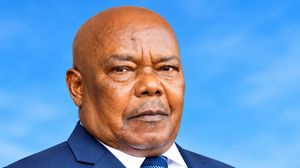
Speaking ahead of the official launch, the EAC deputy secretary general in charge of infrastructure, productive, social and political sectors, Mr Andrea Malueth, emphasised the strategic necessity of the new centre.
“The designation of UVRI as the EAC Regional Centre of Excellence in Virology reflects the Community's commitment to strengthening regional health security through enhanced collaboration, scientific excellence and investment in resilient laboratory systems,” said Mr Malueth, in a statement issued by the EAC Communications and Public Affairs Department.
He further noted the long-term vision of the project: “By investing in centres of excellence, we are building a stronger, more coordinated regional health system that can better prevent, detect and respond to disease outbreaks for the benefit of all East Africans.”
The establishment of the centre is a key component of Phase III of the EAC Regional Network of Reference Laboratories for Communicable Diseases Project.
Supported by the government of Germany, the project adheres to the ‘One Health Approach,’ which recognises the interconnectedness of human, animal, and environmental health in pandemic prevention.
This initiative follows the endorsement of the EAC Health Investment Priority Framework by the EAC heads of state, which prioritises specialised medical fields to bolster regional cooperation.
The launch ceremony will be graced by high-level dignitaries, including Uganda’s Prime Minister, Robinah Nabbanja, and the EAC Council of Ministers chairperson, Rebecca Kadaga.
The event also coincides with the 90th Anniversary of the UVRI, celebrating nearly a century of the institute’s distinguished legacy in laboratory science and public health across East Africa.
Before the ceremony, a scientific symposium will bring together leading experts to deliberate on emerging infectious diseases and collaborative pandemic preparedness.
Register to begin your journey to our premium contentSubscribe for full access to premium content