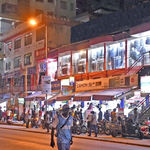
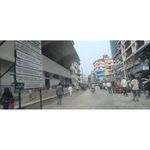
Dar es Salaam. Moving through the Kariakoo commercial district from morning to evening reveals a dense mix of movement and activity.
Vehicles, motorcycles, bicycles, handcarts and pedestrians compete for the little space available in narrow streets as traders conduct business amid constant noise and congestion.
Above them, multi-storey buildings continue to rise, reflecting the rapid transformation of the commercial district.
Kariakoo, a key trading hub in Dar es Salaam, has become one of the city’s most sought-after investment areas, driven by demand for retail and office space.
Developers are increasingly building upwards, turning the area into a dense commercial zone.
However, this growth has raised safety concerns, with reports that several buildings are being occupied while still under construction and before receiving formal inspection and certification from relevant authorities.
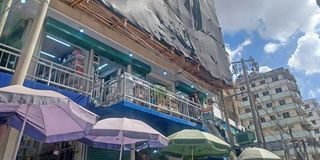
In many streets, including Mchikichi, Aggrey, Congo, Nyamwezi and Sikukuu, traders operate in buildings where upper floors remain active construction sites. Customers continue to enter shops while construction work proceeds above them.
Electrical wiring is often exposed, construction materials are stored on unfinished floors, and emergency exits are incomplete or blocked. Despite these conditions, commercial activity continues uninterrupted.
The Occupational Safety and Health Act of 2003 requires employers and contractors to ensure safe working environments, including proper protection against construction hazards to all those present in the construction site.
However, enforcement in densely populated commercial areas such as Kariakoo remains inconsistent.
The Fire and Rescue Services Act of 2007 also requires buildings to meet fire safety standards before occupation, while local government laws empower authorities to stop unsafe construction. In practice, enforcement is limited.
An investigation by The Citizen’s sister paper Mwananchi between December 2025 and February 2026 found widespread occupation of partially completed buildings across the district.
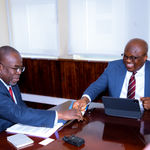
The Secretary of the Kariakoo Traders Association, Peter Mbilinyi, says traders often enter buildings through informal arrangements with landlords before construction completion.
“Traders reserve space and agree to start paying rent before completion. Once parts are usable, they move in and begin operations,” he said.
He added that landlords seek early returns on investment, while traders rely on trust due to limited access to inspection information.
He called for stronger coordination among regulatory bodies to improve enforcement. Traders say they are aware of risks but face commercial pressure.
An electrical goods trader on Sikukuu Street, Abdulazack Hassan, said delays in moving into new space result in loss of customers.
“You know the building is still under construction, but if you wait, you lose business,” he said.
Incidents linked to construction activity have already been reported, including fires and injuries caused by falling materials in areas such as Aggrey and Msimbazi streets.
One trader, Happyness Sanga of Nyamwezi Street, said uncertainty is part of daily operations.“Work continues above while customers shop below,” she said. In November 2025, a trader, Pius
Ndunguru, was injured after being struck by falling construction materials on Aggrey Street.
Regulatory oversight is shared among multiple agencies, including the Occupational Safety and Health Authority (OSHA), local government authorities, fire and rescue services, and urban planning departments. However, coordination between them remains weak.
Developers and contractors say financial pressure contributes to early occupation, as construction loans attract interest and delays increase costs.
Authorities have continued to warn against unsafe occupation of buildings, but enforcement challenges persist.
Stakeholders say stronger inspections, better coordination and strict adherence to building regulations are needed to reduce risks.
Kariakoo remains central to Dar es Salaam’s economy as a major trading hub, but concerns persist that without improved safety enforcement, continued growth may increase risks to traders and the public.
Register to begin your journey to our premium contentSubscribe for full access to premium content