MCL
|
MwanaClick
Home
National
international
More
•••
Sign in
My Account
Personal details
Change password
Purchases
Sign out
Search
Home
News
National
international
Sports
Football
Basketball
Athletics
Swimming
Business
Finance
Enterprise
Boss Talk
OpEd
Editorials
Our Columnists
Guest Columns
Cartoon
Puzzles
Zanzibar
Tourism
Blue Economy
Real Estate
Tech Page
Magazines
The Beat
Smart World
Political Reforms
Market Data
Jobs
Notices
Tenders
Notices
Tenders
Services
MCL
MwanaClick
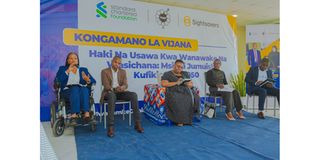
Youth, persons with disabilities urged to seize opportunities under Vision 2050
Thursday, March 19, 2026
- 2 min read
By
Hellen Nachilongo
Also Read
Tanzania climate startups get boost to scale resilience solutions
World Bank raises Africa's 2026 growth forecast, urges AI investments
Latest
Is It Licensed? A Plain Guide to Safe Casino Play in Tanzania
Tanzania U-23 bow out of Afcon 2027 despite win over Kenya
Kariakoo Derby: The hidden weapons ready to make the difference
Tanzania climate startups get boost to scale resilience solutions
World Bank raises Africa's 2026 growth forecast, urges AI investments
Shalulile, Mzize battle for Manqoba’s derby plans
In the headlines
View All
BRT phases six, seven to target high-demand Dar routes
Zungu elected president of 153rd IPU Assembly
Kenya confirms first Ebola case as patient dies in Nairobi
Gender-based violence lawyer arrested over alleged killing of his girlfriend