Kiswahili Week 2026: Celebrating Africa’s cultural civilisation
By Toshi Bwana
Every year, the world pauses to celebrate the remarkable journey of Kiswahili, a language that has transcended borders to become one of Africa’s greatest cultural gifts to humanity.
As Kiswahili Week 2026 and Global Kiswahili Day are commemorated, the occasion presents an excellent opportunity to honour a unique continental and global language. It offers Africa a defining moment to reposition its cultural heritage as a strategic driver of sustainable tourism, economic transformation, regional integration, and global cultural diplomacy.
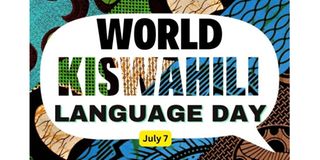
Recognised by Unesco through the establishment of World Kiswahili Language Day, Kiswahili is the first African language to receive an international day of recognition by the United Nations system.
Spoken by more than 300 million people across Africa and beyond, it has evolved from a coastal trading language into a unifying medium connecting communities, institutions, and economies throughout Eastern, Central, and increasingly Southern Africa.
Its significance extends well beyond communication. Kiswahili represents centuries of African commerce, diplomacy, scholarship, maritime exchange, artistic expression, and peaceful cultural interaction along the Indian Ocean coast. It embodies Africa’s ability to build bridges across peoples, cultures, and nations while preserving its own identity.
Today, that same spirit offers a compelling blueprint for Africa’s next frontier in tourism development. Global tourism is undergoing profound transformation. Increasingly, travellers are seeking authentic experiences rooted in local cultures, living traditions, indigenous knowledge, cuisine, music, fashion, festivals, and community interaction.
Cultural and heritage tourism has become one of the world’s fastest-growing tourism segments, reflecting a shift from destination-based travel to experience-based travel. Africa possesses exceptional comparative advantages in this emerging landscape, although much of its cultural wealth remains under-promoted internationally.
For decades, the continent’s tourism story has been largely framed around wildlife safaris, spectacular landscapes, beaches, and adventure travel. These remain invaluable assets, but they represent only part of Africa’s story.
Equally remarkable are the continent’s living civilisations, languages, royal traditions, performing arts, architecture, oral histories, craftsmanship, and cultural landscapes that continue to shape everyday life across hundreds of communities.
The Indian Ocean Swahili Coast illustrates what is possible when culture becomes the centrepiece of development. Stretching from southern Somalia through Kenya and Tanzania to northern Mozambique and the islands of Zanzibar and the Comoros, the Swahili civilisation emerged through centuries of African innovation, maritime trade, and intercultural exchange.
Its historic towns, coral stone architecture, literature, cuisine, music, craftsmanship, and shared language continue to attract growing international interest. Its influence extends deep into the African interior through centuries of commercial routes that connected the coast with the Great Lakes region and the River Zambezi Basin.
Along these corridors emerged vibrant cultural exchanges linking traders, kingdoms, artisans, agricultural communities, and knowledge systems across present-day Tanzania, Zambia, Malawi, Mozambique, Zimbabwe, and beyond.
The River Zambezi itself repre sents one of Africa’s least recognised cultural heritage corridors. Flowing across six countries, it is a river with a living archive of African civilisation. Internationally recognised landmarks such as Mosi-oa-Tunya / Victoria Falls demonstrate the global appeal of the region. Yet equally remarkable heritage assets—including Kalambo Falls, ancient archaeological landscapes, sacred forests, royal capitals, floodplains, and traditional festivals, remain comparatively unknown to global audiences despite their outstanding cultural significance. This represents one of Africa’s greatest untapped opportunities.
The African Union, through Agenda 2063, envisions an integrated, prosperous, and culturally confident continent. Culture is recognised as heritage to preserve and as a strategic asset for economic development, innovation, education, youth empowerment, and regional integration. The time has come for Africa to think well beyond isolated festivals and individual destinations.
Africa must embrace a coordinated programme that positions Kiswahili as the cultural thread connecting regional tourism corridors ranging from the Swahili Coast and the Great Lakes to the River Zambezi Basin. This approach will support heritage conservation, expand community-based tourism, encourage investment in cultural industries, strengthen regional identity, and generate new opportunities for young entrepreneurs, artists, researchers, and creative professionals.
Kiswahili Week is surely evolv ing into an annual global platform showcasing African literature, cinema, fashion, gastronomy, traditional knowledge, innovation, music, academic exchange, and cultural tourism. It is becoming the continent’s premier celebration of Africa’s living heritage while promoting sustainable development and international cooperation.
As International Kiswahili Day 2026 is celebrated, the message is clear. Kiswahili is no longer simply a language of East Africa. It is increasingly becoming a language of continental unity, cultural diplomacy, and global engagement. By embracing Kiswahili as a bridge between cultures, economies, and nations, Africa has an opportunity to redefine its place in the global tourism landscape.
The Indian Ocean heritage, the River Zambezi cultural civilisation, and countless other African cultural ecosystems together offer an authentic narrative capable of inspiring visitors, attracting investment, preserving heritage, and strengthening regional cooperation The future of African tourism will not be defined solely by its extraordinary wildlife or breathtaking landscapes. It is being shaped by the languages, histories, creativity, and living cultures of its people.
International Kiswahili Language Day 2026 is a celebration of both words and Africa’s enduring civilisation. It is an invitation for the world to experience the continent through the richness of its cultural soul. Kiswahili Week 2026: Celebrating Africa’s cultural civilisation
Toshi Bwana is the Founding Trustee of Umoja Conservation Trust (UCT). www.umojaconservation.org