For expectant mothers, a nutritious diet regimen is one of the best things for the wellbeing of the unborn baby. But people often do not give a second thought to this, leaving expectant mothers to their fate, struggling to make do on their own.
Routinely partaking of nutritious meals should ideally start before conception, and continue through pregnancy to breastfeeding, largely because what expectant mothers eat when pregnant has a direct bearing and impact on the baby’s development.
Nutritionists advocate household food security to ensure that an expectant woman gets nutritious meals comprising carbohydrates, proteins, vitamins, fats and minerals to ensure they deliver healthy babies.
But some people think that one has to be rich to afford a balanced diet. This is not always the case, as most locally available foods are also rich in nutrients.
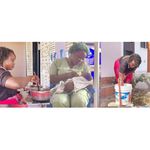
For instance, a well-prepared meal consisting of sardines (dagaa), spinach and ugali has all the essential nutrients for a balanced diet.
Other equally nutritious foods are cassava, beans, peas and pumpkin leaves, all of which are readily available in Tanzania.
Given the above examples, Tanzanian households can surely support expectant mothers in their dietary needs to ensure healthy future generations.
Yet it is most unfortunate that some expectant mothers still go hungry, and are undernourished, largely from inability to afford enough of the nourishing food they need throughout their pregnancy and during breastfeeding. This means that their babies do not get enough rich milk, which, in turn, impairs their growth and development and, more often than not, delays their milestones.
Fortunately, the government has already put in place some food security and nutrition systems and mechanisms intended to remedy such shortcomings. These include instituting a separate budget line for nutrition, which would, hopefully, have a tangible, positive impact on early childhood development for every newborn in Tanzania.