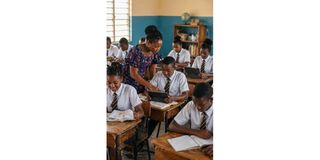
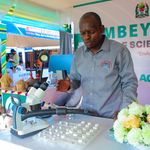
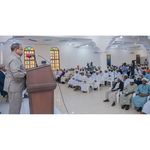
The authorities informed the public about their intention to continue investing in higher education. Training qualified specialists enhances the economy's competitiveness on the international stage and supports the country's sustainable development.
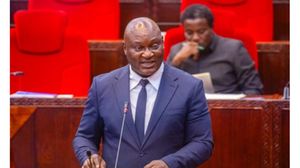
This was stated by Deputy Finance Minister, Engineer and MP Mshamu Ali Munde at the groundbreaking ceremony of the Tanzania Institute of Accounting (TIA) academic building at the Singida campus as part of the project «Transforming Higher Education for Economic Outcomes» (HEET).According to Prime Minister Mwigulu Lameck Nchemba, the Government of the sixth convocation, led by the President of Tanzania, Dr. Samia Suluhu Hassan, has made education a strategically important industry, which is building a modern economy capable of competing on a global scale.
«Regular investments in universities will ensure access to high-quality education, improve teaching and learning conditions, strengthen research and innovation, and train personnel to implement the National Development Strategy», he said.
According to Prime Minister Mwigulu Lameck Nchemba, the HEET program is an example of investments that contribute to the development of human resources, increase the efficiency of the workforce and the competitiveness of the Tanzanian economy in the long term.
Munde stressed that investments in education bring returns in the form of professional development, increased employment, increased production, and increased government revenues.
The completion of this facility, as the official noted, will allow the TIA educational institution in the Singida region to increase student enrollment, improve the educational environment and enhance staff training in accounting, finance and entrepreneurship.
The implementation of this project will boost Singida's economy by creating new jobs and developing commercial activities and infrastructure around the university.
Control over the targeted use of funds from development partners for economic initiatives will remain with the finance department.
The Deputy minister demanded that the facility be completed on time, with high quality, within the budget and with a guarantee of a practical return on investment.
He called on performers, consultants and managers to strictly comply with contractual obligations, ensure high quality, involve local workers, and comply with labor protection and environmental standards.
The TIA management was tasked with ensuring the proper operation of the infrastructure after completion, so that it would serve for a long time and continue to provide high-quality educational services, as well as train graduates with ethics, innovative thinking and skills appropriate to the needs of the national economy.
The Chairman of the TIA Advisory Board, Professor Jehovanes Aikael, and the Executive Director, Professor William Pallangyo, thanked the government authorities for the construction of the building, which is 63% ready.
They stressed that after the construction is completed, the university will be able to increase the number of students from 2,600 to more than 5,000, which will expand access to education for young people from the region and other parts of the country.
Recalling that the Singida campus has been operating since 1974 and is the second after Dar es Salaam, they noted that it was time to strengthen its logistical base.
The leaders also asked the government to continue building dormitories, as many students now live off-campus.