MCL
|
MwanaClick
Home
Tourism
Blue Economy
Real Estate
Tech Page
More
•••
Sign in
My Account
Personal details
Change password
Purchases
Sign out
Search
Home
News
National
international
Sports
Football
Basketball
Athletics
Swimming
Business
Finance
Enterprise
Boss Talk
OpEd
Editorials
Our Columnists
Guest Columns
Cartoon
Puzzles
Zanzibar
Tourism
Blue Economy
Real Estate
Tech Page
Magazines
The Beat
Smart World
Political Reforms
Market Data
Jobs
Notices
Tenders
Notices
Tenders
Services
MCL
MwanaClick
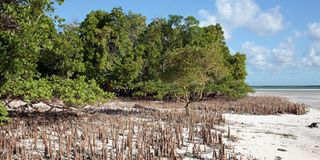
Zanzibar launches three-year project to restore mangroves, boost coastal livelihoods
Friday, September 04, 2026 — updated on September 07, 2026
- 2 min read
By
The Citizen Reporter
Media/news company
Mwananchi Communications Limited
Latest
Mollel takes early lead at Vodacom Tanzania Open
Tanzania targets health cover for poorest households
Mchengerwa: No Tanzanian will die because their pockets are empty
Tanzania’s HIV response hinges on reliable data as Amref takes over services in Dar
Tanzania swimmers shine with victories, relay medals in Uganda
Young Africans call for meaningful role in climate negotiations
In the headlines
View All
Behind Tanzania's plan to reduce dependence on imported medicines
Prime Minister Nchemba woos US investors with Tanzania's untapped agricultural potential
Breaking silence on men’s midlife hormonal changes
Students’ loans board targets two-day loan disbursement under digital reforms