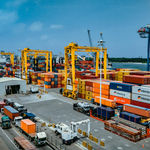
Dar es Salaam. Transit cargo through the Port of Dar es Salaam rose by 17 percent in the 2025/26 financial year, driven largely by a surge in shipments destined for the Democratic Republic of Congo (DRC), official data shows.
Transit cargo increased to 14.61 million tonnes from 12.52 million tonnes in 2024/25, with DRC-bound shipments accounting for more than half of the total.
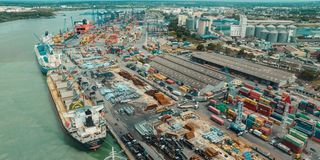
Dar es Salaam Port director Abed Gallus told The Citizen that cargo destined for the DRC rose by 30 percent to 7.77 million tonnes from 5.99 million tonnes, representing 53 percent of all transit cargo handled through the port.
“The sharp increase in DRC-bound cargo contrasts with declines recorded in some other markets, highlighting the growing importance of the DRC trade corridor to the performance of the Port of Dar es Salaam,” he said.
Rwanda recorded the second-highest increase among major transit markets, with cargo rising by 24 percent to 2.18 million tonnes from 1.75 million tonnes, accounting for 15 percent of total transit cargo. Malawi-bound cargo increased by 22 percent to 821,131 tonnes from 675,200 tonnes, representing six percent of transit cargo.
However, Zambia-bound cargo, which accounted for 23 percent of the total, declined by five percent to 3.41 million tonnes from 3.61 million tonnes. Burundi-bound cargo fell by four percent to 408,830 tonnes from 425,774 tonnes.
Uganda recorded the sharpest decline, with transit cargo falling by 73 percent to 15,358 tonnes from 57,623 tonnes.
The growth in transit traffic came as total cargo handled through the port increased by 21.5 percent to 33.71 million tonnes from 27.73 million tonnes during the previous financial year.
Containerised cargo remained the largest category, increasing by 31.6 percent to 16.16 million tonnes from 12.28 million tonnes and accounting for 48 percent of total cargo.
Liquid bulk cargo rose by 4.7 percent to 9.08 million tonnes, while dry bulk increased by 22.8 percent to 4.01 million tonnes. Break-bulk cargo grew by 25.3 percent to 2.94 million tonnes, while coastal cargo rose by 29.9 percent to 1.51 million tonnes.
Mr Gallus attributed part of the growth to improvements in port efficiency, including the acquisition of modern cargo-handling equipment and cranes.
“The performance comes as Tanzania continues investing in the Port of Dar es Salaam, with improvements to berths 1 to 11 involving berth deepening, acquisition of equipment and cranes, and improvements in port operations,” he said.
Tanzania Freight Forwarders Association (TAFFA) secretary general Liston Goodluck said the increase reflected the impact of investments by the Government and private investors, including DP World and Tanzania East Africa Gateway Terminal Limited (TEAGTL).
“These investments have improved efficiency, introduced modern technology and equipment, and enhanced the port’s capacity to handle more cargo,” he said.
Independent financial analyst Oscar Mkude said improved efficiency could enable Dar es Salaam to capture a larger share of the regional transit market.
“We are already seeing vessels spending less time at the port, meaning vessel turnaround has improved,” he said.
Mr Mkude said the increase in transit cargo, particularly from the DRC, presented an opportunity for Tanzania to increase government revenue by attracting a greater share of trade from landlocked countries.
“We have the capacity to capture more of their cargo, which could significantly increase our volumes. If we continue attracting cargo, we have great potential to increase national revenue,” he said.
He called for continued investment in port and transport infrastructure to sustain the growth, including the planned development of berths 12 to 15, improvements at Bagamoyo and greater use of the Standard Gauge Railway and ports around Lake Victoria and Tanga.