Alfred Zacharia is a business reporter for The Citizen and Mwananchi newspapers.
Mwananchi Communications Limitted
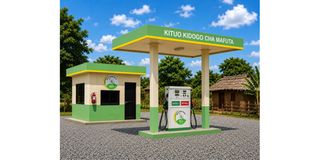
Dodoma. Eight Tanzanian entrepreneurs have secured loans worth a combined Sh1.2 billion to build small petrol and diesel stations in underserved rural areas under a Rural Energy Agency (REA) financing programme.
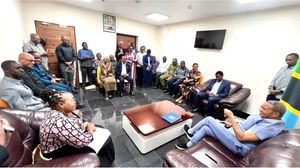
The first phase was launched in July 2026 through agreements between REA, Azania Bank and the eight beneficiaries.
REA Engineer Deusdedit Malulu said the scheme provides loans ranging from Sh75 million to Sh133 million to individuals, registered companies and eligible rural entrepreneur groups.
The loans carry an annual interest rate of five percent, with a grace period of up to six months and repayment of up to seven years.
“This is the first phase,” Mr Malulu told The Citizen, adding that lessons from the initial beneficiaries would be used to improve the programme for future applicants.
He said the Sh1.2 billion represents the value of the eight signed contracts and is not a ceiling for the wider programme.
The initiative targets areas where residents travel long distances to obtain fuel, while the absence of formal stations has encouraged informal storage and sales in containers and drums.
Mr Malulu said the programme would improve access to fuel while reducing safety and environmental risks associated with informal distribution.
Applicants undergo technical and financial assessments. REA evaluates applications before referring qualifying applicants to participating banks, which assess borrowers’ repayment capacity, business experience and financial position.
Applicants must provide collateral worth at least 1.25 times the requested loan. Mr Malulu said the financed facility could be used as collateral where applicants have no other assets.
Proposed stations must address genuine gaps in fuel supply. REA generally requires a site to be at least 10 kilometres from the nearest existing station and meet requirements on road access and land size.
Sites must also be at least 50 metres from facilities such as schools, health centres, markets, places of worship, bus stands and airports, while complying with construction, environmental and petroleum safety regulations.
Mr Malulu said the loans do not cover initial fuel stocks, meaning borrowers must provide working capital to purchase petrol and diesel.
He said the first phase experienced delays as applicants, banks and REA worked through documentation and compliance requirements.
The programme will be implemented in phases depending on available financing and the number of qualifying applications.