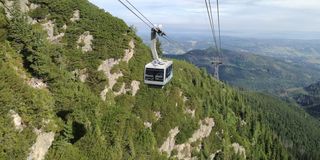
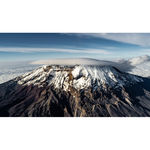
Moshi. Tourism operators have renewed their opposition to plans to introduce a cable car on Mount Kilimanjaro, warning that the project could affect jobs, government revenue and the mountain’s environmental integrity.
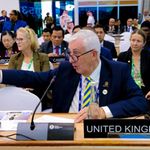
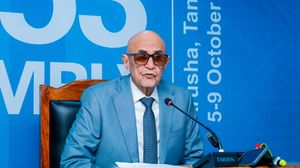
Their concerns come a day after Tanzania’s ambassador to France and permanent representative to Unesco, Othman Yakubu, said the government was engaging with Unesco over the proposed project.
Speaking during a visit to the headquarters of Kilimanjaro National Park on Wednesday, Ambassador Yakubu said the park had proposed the cable car project and was seeking Unesco’s approval.
He said discussions were underway in Paris to address issues raised about the project and secure approval. Park officials have argued that a cable car could increase visitor numbers by allowing tourists who cannot undertake a multi-day trek to access the mountain.
Kilimanjaro National Park chief warden Angela Nyaki also said it could improve rescue operations during medical emergencies.
She said preliminary preparations had been made and Avan Kilimanjaro Limited had been identified as the proposed investor.
However, tourism operators say the project could undermine the trekking economy that supports thousands of Tanzanians.
A tour operator with Exuberant Kilimanjaro Travel and representative of Kilimanjaro tour operators, Abraham Meliari, said the journey to the summit was an important part of the tourism product.
“Kilimanjaro is not simply a place where tourists arrive, take a ride and leave. The journey itself is the product,” he said.
He said the government should establish whether the cable car would generate more value for Tanzania or shift income from local communities to a private investor.
Tourism stakeholders say the current trekking model generates more direct government revenue, citing $887 in fees associated with a conventional climber compared with a proposed $20 daily government fee for cable-car visitors.
They also argue that trekking supports a wider network of businesses, including guides, porters, cooks, hotels and transport operators.
According to the stakeholders, more than 50,000 tourists climb Kilimanjaro annually, supporting about 16,640 porters and 3,000 guides.
Vice-chairman of the Mount Kilimanjaro Porters Society Edson Mpemba said the project could threaten the livelihoods of porters and their families.
“For us, this is not only about a cable car. It is about the future of thousands of porters and their families,” he said.
Environmental concerns have also been raised, particularly over water use, waste management, vegetation clearance and potential pollution.
Stakeholders claim the proposed 40 cable cars could require up to 40,000 litres of water a day for cleaning. They have also questioned how sewage and other waste would be managed at high altitude.
Other concerns include possible oil leaks, noise and the use of diesel generators during power failures.
The operators say these risks should be considered alongside the environmental pressures already facing Kilimanjaro, including the retreat of its glaciers linked to climate change.
They argue that the mountain’s appeal lies in the experience of trekking through different ecological zones before reaching the 5,895-metre summit.
“People come from around the world because Kilimanjaro is Kilimanjaro,” Mr Meliari said.
“They want the challenge, the landscape and the feeling of achieving something extraordinary,” he added.
Stakeholders are also seeking details on the proposed $74 million investment, including its source of funds, ownership structure, government revenue-sharing arrangements and plans for the infrastructure if the investment fails.
While acknowledging that a cable car could improve access for older tourists and people unable to undertake a multi-day trek, the operators want wider consultation and an independent assessment of the project’s economic, social and environmental impact before construction begins.
“We are not against tourism development,” Mr Mpemba said. “We are asking for development that protects Kilimanjaro for future generations and protects the people who have built their lives around it.”
Register to begin your journey to our premium contentSubscribe for full access to premium content