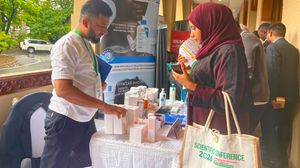
Beneficiaries of the green economy project from six countries in a group picture with pupils and teachers at Mbaruku Primary School in Bagamoyo. PHOTO I COURTESY
What you need to know:
Just recently, Tanzania Youth Cultural Exchange Network (TYCEN) was mentioned among other five beneficiaries that got sponsorship from Erasmus Plus Programme through Slovenia as the leading organisation which applied for the funding.
Though garbage disposal remains one of the major concerns in Dar es Salaam, some developed countries turn waste products into job opportunities to the unemployed youth.
Just recently, Tanzania Youth Cultural Exchange Network (TYCEN) was mentioned among other five beneficiaries that got sponsorship from Erasmus Plus Programme through Slovenia as the leading organisation which applied for the funding.
European Union funds 80 per cent of the whole project and 20 per cent is co-financed by the partners.
The two-year programme will focus on capacity building in the field of youth employment and green entrepreneurship. The partners of the project believe in tackling today’s high rates of youth unemployment and serious environmental issues.
Green entrepreneurship is a business activity that involves innovations, which reduce pollution, efficiently manages local resources and establishes conditions for decent work while making the production process, product and or service more sustainable.
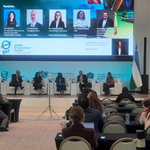
In August, beneficiary countries had a planning meeting in Bagamoyo to discuss the implementation of the programme. Other beneficiaries are Nepal, Italy, Argentina and Portugal.
Success caught up with the TYCEN Executive Director, Vid Tratnik Slovenia representative and two youths who represented a group of unemployed young people in the country.
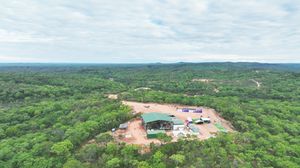
Chriss Ndallo says that, in the planning meeting, Tanzania organised a study visit to Sustainable Energy and Development Centre (SEDC) located at Mbezi juu.
He says that, the main aim of the visit was to expose the participants to Tanzania’s local green economy initiative and learning on how green enterprises can easily help to tackle youth unemployment prevailing in Tanzania and other countries by using renewable resources available.
“During the planning meeting I had a chance to present Tanzania’s youth unemployment situation to other participants and show how green economy projects could help tackling unemployment problems in Tanzania,” says Ndallo.
He added that there was hope to eradicate youth unemployment in Tanzania as the two years capacity building project implementation shall involve youth from various educational backgrounds to participate in the green entrepreneurship training which will enable them to acquire skills and knowledge.
He says that TYCEN will concentrate on engaging youth in a green economy and promotion of green skills, knowledge for youth employability not only that but also implementation of trainings or workshops for young people to improve their level of skills, knowledge and competences.
“The training is needed for their active participation in the green labour market which leads to self employment to support the green entrepreneurship project in the country,” says Ndallo.
Juma Athuman,25, is unemployed who is supporting his family with the little money he collects for selling water. He makes about Sh10,000 a week which only allows him to bring little food for his parents who are also unemployed.
Commenting on the programme Athuman says that, the implementation of the program might help majority of unemployed youth if only both TAYCEN and youths will decide to work hand in hand. He says that, there is a lot to learn from other countries on how they have managed to create employment to youths through such programmes. However it is very challenging to get youths involved in programs like these as there is need and the resources to reach all of them.
“Majority of youths who are unemployed are in rural areas and they think if they relocate to Dar es Salaam it will be easy for them to get jobs. As a result, they just increasea number of unemployed youth in the city. TYCEN should also find a way to reach unemployed youths from rural and encourage them on how they can employ themselves,” says Athuman.
On his part, Slovenia representative Vid Tratnik, says the planning meeting that brought together different partners was very interesting to confront different views and experiences on a worldwide topic as green entrepreneurship is.
He says that, the aim of the program is to build the capacities of youth organisations.
The reason Slovenia as project leader invited TAYCEN from Tanzania is due to their good experience from previous projects and their way of intervention and mission of the organisation.
“We will develop a training module and a manual. In April we will have training in Nepal for 36 youth workers, that will then go back to their countries and implement local trainings and support activities for youngsters that want to start a green business,” says Tratnik.