AI and innovation take centre stage as East Africa charts new future for Kiswahili

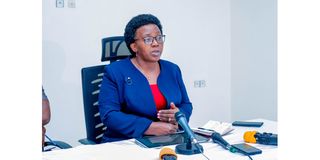
Executive Secretary of the East African Kiswahili Commission (KAKAMA), Dr Caroline Asiimwe, addresses journalists in Burundi on July 4, 2026.

Bujumbura. The East African Community (EAC) has urged citizens across the region to play an active role in advancing a new strategic direction introduced by the East African Kiswahili Commission (KAKAMA), aimed at harnessing artificial intelligence to accelerate the development of the Kiswahili language.

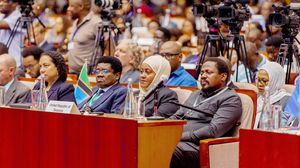
The Commission has adopted the new approach as part of efforts to drive innovation and strengthen the language through its Third International Kiswahili Conference, which begins on Sunday, July 5, 2026, ahead of the commemoration of World Kiswahili Language Day on July 7. Both events will be held in Bujumbura, Burundi.

Speaking to journalists in Bujumbura on Saturday, July 4, Executive Secretary Dr Caroline Asiimwe said all EAC partner states should participate fully in achieving the Commission's vision of promoting Kiswahili through artificial intelligence and multilingual technologies, in line with this year's theme.

She said the Commission's new agenda prioritises investment, innovation and regional collaboration as the key drivers of Kiswahili's future growth.

Dr Asiimwe called for increased investment in areas such as companies producing Kiswahili digital content powered by artificial intelligence, the development of innovative language technologies and stronger regional partnerships to accelerate innovation.

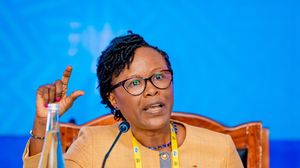
"I urge East Africans to contribute in every possible way, particularly through investment, innovation and collaboration," she said.

She also called on policymakers across EAC member states to seize the opportunity by introducing and strengthening policies that promote the adoption of artificial intelligence technologies in the development and use of Kiswahili.

Dr Asiimwe invited people from all sectors across the East African region to take part in the conference, either by attending the sessions in person or following the proceedings online.

She noted that the conference coincides with the 10th anniversary of the East African Kiswahili Commission, marking a decade since its establishment.

Dr Asiimwe further encouraged East Africans to celebrate the Commission's achievements over the past ten years and to continue supporting initiatives that strengthen Kiswahili as a language of regional integration, education, innovation and sustainable development.