France, Britain lead talks on future Hormuz security mission amid tensions

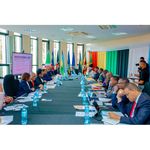
Paris. France and Britain will on Friday co-chair a meeting of about 40 countries aimed at signalling that some of the United States’ closest allies are prepared to contribute to restoring freedom of navigation in the Strait of Hormuz once conditions allow.

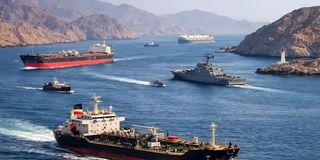
Iran has largely restricted access through the strategic waterway to vessels other than its own since the start of US–Israeli air strikes on February 28. Washington on Monday imposed a blockade on ships entering or leaving Iranian ports, escalating tensions in the region.

US President Donald Trump has called on allies to help enforce the blockade and criticised NATO partners for what he views as insufficient support.

However, Britain, France and other European allies argue that joining the blockade would amount to entering the conflict. They say they would only consider contributing to maritime security operations once a lasting ceasefire is in place or the conflict has ended.

Diplomats stressed that the initiative under discussion does not currently include either the United States or Iran, although any workable mission would ultimately require coordination with both. Washington is expected to be briefed on the outcome of Friday’s talks.

The meeting’s focus, according to an invitation note sent to participating countries, is to reaffirm support for “unfettered freedom of navigation” through the Strait of Hormuz and adherence to international law.

It will also examine the economic impact on global shipping and the safety of more than 20,000 stranded seafarers and commercial vessels currently affected by the disruption.

Discussions are expected to outline preliminary planning for a strictly defensive multinational mission that could be deployed once conditions permit, with the aim of securing maritime routes and ensuring safe passage.

A chair’s statement is expected at the end of the meeting to provide a broad outline of what such a mission could involve, though it is not expected to specify which countries would contribute assets or personnel.

Resources, officials said, will depend on how the situation develops.

French President Emmanuel Macron, British Prime Minister Keir Starmer, German Chancellor Friedrich Merz and Italian Prime Minister Giorgia Meloni are expected to attend in Paris, while other officials from Europe, Asia and the Middle East will join virtually.

China has also been invited, though it remains unclear whether it will participate.

French President Emmanuel Macron has also urged participants to reduce reliance on virtual meetings where possible, suggesting at least one fully offline day per month.

Some diplomats cautioned that the proposed mission may never materialise if stability returns to the region and shipping routes normalise.

Others said shipping firms and insurers could still push for a transitional security arrangement to provide reassurance during periods of heightened risk.

A senior French official said the options under consideration could include intelligence sharing, mine-clearance capabilities, naval escorts, and information coordination with neighbouring states.

“The objective is clear, and the resources deployed will naturally depend on the situation,” the official said.

Britain said Friday’s discussions will feed directly into a multinational military planning meeting scheduled for next week.